
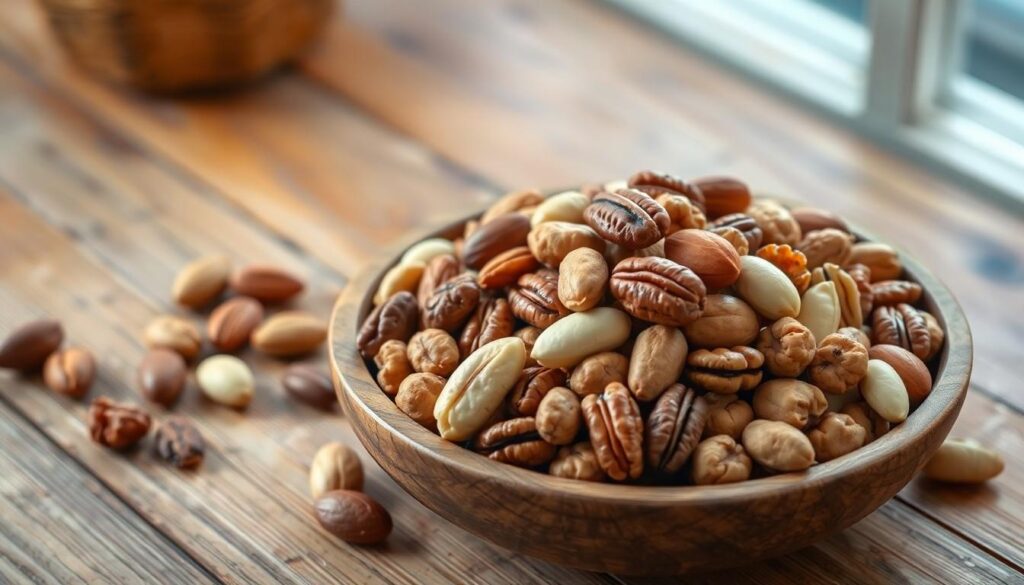
Mixed nuts are like the party crashers of the snack world—unexpectedly delightful and surprisingly good for you. Packed with a medley of flavors and textures, they’re not just a crunchy treat; they’re a powerhouse of nutrition that can boost energy and keep hunger at bay. Who knew that munching on a handful of these little wonders could be a step toward a healthier lifestyle?
Overview of Mixed Nuts Nutrition
Mixed nuts provide a diverse range of nutrients and health benefits. They serve as a complete snack option packed with essential vitamins and minerals.
Nutritional Composition of Mixed Nuts
Mixed nuts typically contain protein, healthy fats, and dietary fiber. Almonds, cashews, walnuts, and hazelnuts contribute to these values. On average, a one-ounce serving contains around 160 to 200 calories, 5 to 7 grams of protein, and 14 to 18 grams of fat. The majority of fats in mixed nuts are unsaturated, promoting heart health. Additionally, nuts provide vital nutrients such as magnesium, vitamin E, and selenium, supporting various bodily functions.
Health Benefits of Mixed Nuts
Eating mixed nuts can enhance heart health and lower cholesterol levels. They also support weight management by promoting satiety, which curbs hunger effectively. Regular consumption may reduce the risk of chronic diseases like diabetes and obesity. Antioxidants in mixed nuts, such as flavonoids, combat oxidative stress, improving overall health. Research suggests that incorporating mixed nuts into a balanced diet yields significant health advantages, making them a smart choice for snacking.
Types of Mixed Nuts
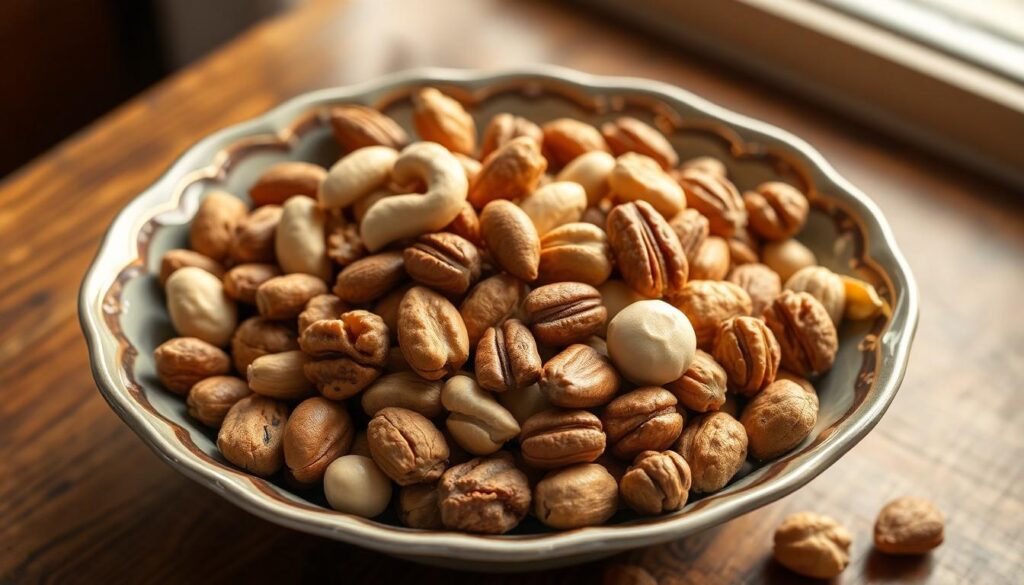
Mixed nuts offer a variety of flavors and textures, making them an appealing snack choice. Understanding their components enhances appreciation for their nutritional value.
Common Ingredients in Mixed Nuts
Almonds often feature prominently in mixed nuts due to their high protein and vitamin E content. Cashews add creaminess with their rich flavor and healthy fats. Walnuts contribute omega-3 fatty acids that support heart health. Pecans provide antioxidants and dietary fiber. Brazil nuts are known for selenium, an essential mineral for metabolism. Macadamia nuts, while higher in calories, deliver monounsaturated fats that promote heart health. These ingredients combine to create a nutrient-dense snack that satisfies diverse taste preferences.
Nutritional Differences Among Various Nuts
Almonds contain about 164 calories per ounce, providing 6 grams of protein and 14 grams of healthy fats. In contrast, cashews offer approximately 157 calories and 5 grams of protein per ounce. Walnuts, with about 185 calories, stand out for their 18 grams of fat, predominantly healthy polyunsaturated fats. Pecans follow closely with 196 calories and 3 grams of protein per ounce. Brazil nuts are calorie-dense with 186 calories and contribute significant selenium. Macadamia nuts, while richer in calories at around 204 per ounce, deliver healthy fats and fiber. Variations in nutritional profiles allow for tailored snacking based on dietary needs and preferences.
Mixed Nuts and Heart Health
Mixed nuts play a vital role in promoting heart health. Their unique blend of nutrients supports cardiovascular function and helps maintain healthy cholesterol levels.
Impact on Cholesterol Levels
Mixed nuts significantly influence cholesterol levels. They contain both monounsaturated and polyunsaturated fats, which lower bad LDL cholesterol. Regular consumption can raise good HDL cholesterol, leading to improved heart health. For example, a study published in the American Journal of Clinical Nutrition found that participants consuming mixed nuts daily saw a 5% decrease in LDL cholesterol. Including a variety of nuts ensures a wide range of nutrients and health benefits. Almonds and walnuts particularly contribute to cholesterol management due to their specific fat profiles.
Role in Reducing Heart Disease Risk
The diverse nutrients in mixed nuts contribute to a reduced risk of heart disease. Antioxidants, vitamins, and minerals found in these nuts combat inflammation and oxidative stress. A review in the Journal of Nutrition indicated that eating mixed nuts frequently could decrease heart disease risk by up to 30%. Incorporating a daily serving can enhance overall cardiovascular health. Walnuts are especially beneficial due to their high omega-3 fatty acid content, impacting heart health positively. Mixed nuts, when part of a balanced diet, create significant protective effects against heart disease.
Mixed Nuts as a Snack Option
Mixed nuts provide a convenient and nutritious snack choice for those seeking flavor and health benefits. Their rich nutrient profile supports various dietary goals.
Portion Control and Caloric Density
Portion control plays a vital role in maximizing the health benefits of mixed nuts. An ounce, approximately a small handful, contains around 160 to 200 calories. Keeping portions to this size helps manage caloric intake while enjoying essential nutrients. High in energy, mixed nuts deliver 5 to 7 grams of protein and 14 to 18 grams of healthy fats in each serving. Snackers can enjoy various flavors without excessive calorie consumption. Using pre-portioned packs can simplify snack management and promote healthy eating habits.
Comparison with Other Snack Foods
Mixed nuts stand out when compared to other snack foods in terms of nutrition and health benefits. Many common snacks, like chips or candy bars, lack the essential nutrients found in mixed nuts. For example, chips may offer empty calories but lack protein or fiber. In contrast, mixed nuts provide a blend of protein, healthy fats, and fiber that promotes satiety. Popcorn, often considered a healthier snack, typically doesn’t match the nutritional density of mixed nuts. Choosing mixed nuts over traditional snack options enhances nutritional intake while satisfying hunger effectively.
Mixed nuts stand out as a delicious and nutritious snack that supports a healthy lifestyle. Their blend of essential nutrients not only satisfies hunger but also promotes heart health and overall well-being. The variety of flavors and textures makes them a versatile choice for any diet. By incorporating mixed nuts into daily routines while maintaining proper portion control, individuals can enjoy their health benefits without compromising their dietary goals. This nutrient-dense option clearly outshines many traditional snacks, making it a smart and satisfying choice for those seeking to enhance their nutrition.

![cbt therapy, cbt therapy near me, stress anxiety treatment, cognitive behavioral therapy, local cbt clinics, anxiety relief options, stress management therapy, cbt therapists in [location], mental health therapy, therapy for stress and anxiety](https://pagerehabhc.com/wp-content/uploads/2026/05/airtable_6a03870aadea6-1-1024x576.jpg)
