

In a world where diets come and go faster than a cat meme, high-protein foods stand tall like a bodybuilder at a yoga class. They’re not just for gym buffs and fitness fanatics; these nutritional powerhouses can turn anyone into a muscle-building machine—or at least help them feel like one. Packed with essential amino acids, high-protein foods help fuel workouts, curb cravings, and keep those energy levels soaring.
Overview of High-Protein Foods
High-protein foods play a crucial role in a balanced diet. Their benefits extend beyond muscle building, as they support overall health and wellness.
Definition and Importance
High-protein foods contain significant amounts of protein, an essential macronutrient crucial for bodily functions. Protein aids in tissue repair, hormone production, and immune system support. The importance of protein lies in its ability to promote satiety, helping control appetite and reduce cravings. Consuming adequate levels of protein can enhance muscle mass and strength, making these foods valuable for both fitness enthusiasts and those pursuing weight management.
Common Sources of Protein
Common sources of protein include animal-based and plant-based foods. Lean meats such as chicken, turkey, and fish provide high-quality protein. Eggs offer a complete protein source with all essential amino acids. Dairy products, like Greek yogurt and cottage cheese, are nutrient-dense options. Plant-based proteins can be found in legumes, nuts, seeds, and whole grains. Tofu and tempeh serve as excellent alternatives for those following plant-based diets. Each of these sources contributes to meeting daily protein needs effectively.
Types of High-Protein Foods
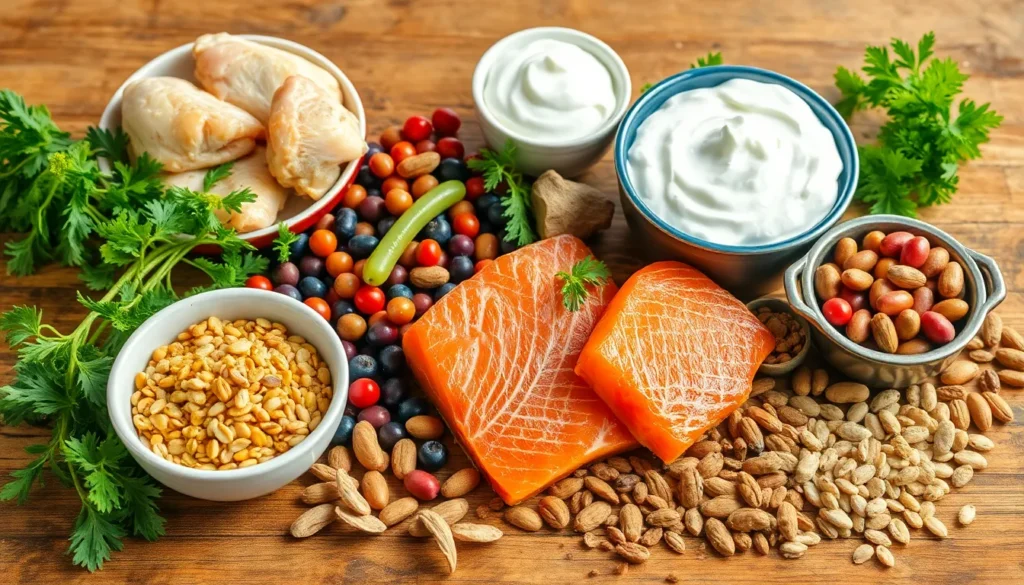
High-protein foods come in various forms, primarily categorized into animal-based and plant-based options. Each type offers unique advantages and can contribute significantly to daily protein intake.
Animal-Based Proteins
Animal-based proteins provide complete proteins, containing all essential amino acids. Lean meats, such as chicken and turkey, deliver substantial protein with low fat content. Fish, including salmon and tuna, ranks as excellent choices for protein and omega-3 fatty acids. Eggs serve as a versatile and nutrient-dense option, offering about 6 grams of protein per egg. Dairy products, like Greek yogurt and cottage cheese, also offer high protein and calcium levels. These sources not only support muscle growth but also facilitate recovery after exercise.
Plant-Based Proteins
Plant-based proteins present a valuable alternative for those seeking non-animal sources. Legumes, such as lentils and chickpeas, contribute significant protein alongside fiber and vitamins. Nuts and seeds, including almonds and chia seeds, offer healthy fats and around 6-8 grams of protein per ounce. Tofu and tempeh, derived from soybeans, provide 20 grams of protein per cup and serve as versatile meat substitutes. Whole grains like quinoa and farro also add protein while enhancing overall nutrition. Incorporating these options helps maintain a balanced diet while meeting protein needs effectively.
Benefits of High-Protein Foods
High-protein foods offer numerous advantages for overall health and wellness. They play a pivotal role in various bodily functions and significantly influence fitness and weight management.
Muscle Building and Repair
Protein contributes directly to muscle building and repair. After exercise, muscles undergo stress and micro-tears. Consuming high-protein foods enables quicker recovery from workouts. Sources such as lean meats, fish, and dairy products provide essential amino acids needed for muscle synthesis. Eggs, often regarded as a protein powerhouse, enhance the body’s ability to repair tissues effectively. Additionally, incorporating plant-based options like legumes and quinoa supports muscle health while offering fiber and other nutrients. Regular intake of protein-rich foods fosters increased muscle mass, ultimately improving overall strength and performance.
Weight Management
High-protein foods support effective weight management. Protein enhances satiety, helping individuals feel full longer after meals. Eating protein-rich snacks can curb cravings and prevent overeating. Studies suggest that higher protein intake boosts metabolism, aiding in calorie burn. Integrating foods such as Greek yogurt, nuts, and poultry into diets promotes lean body mass while reducing fat. Plant-based proteins also offer significant benefits, providing essential nutrients without excessive calories. Adopting a diet rich in protein encourages balanced eating habits and assists in maintaining a healthy weight.
How to Incorporate High-Protein Foods into Your Diet
Incorporating high-protein foods into daily meals enhances nutrition and promotes overall health. Several strategies make achieving daily protein goals straightforward.
Meal Ideas and Recipes
Start the day with a protein-rich breakfast. Options like Greek yogurt topped with fruits and nuts deliver significant protein. For lunch, a quinoa salad mixed with black beans, veggies, and avocado provides both protein and fiber. Dinnertime can feature grilled chicken paired with roasted vegetables and a side of lentils. Snack choices include hummus with carrot sticks or a handful of almonds. Each of these meals boosts protein intake while offering diverse flavors.
Tips for Balancing Protein Intake
Balancing protein intake involves mindful consumption throughout the day. Divide protein-rich foods across meals and snacks. Setting specific protein targets for each meal simplifies tracking. Combining animal and plant proteins enriches overall nutrient intake. Ensuring hydration aids digestion, which supports nutrient absorption. Meal prepping high-protein options in advance eases planning during busy weeks. Following these tips helps maintain a consistent protein intake.
High-protein foods play a vital role in achieving optimal health and wellness. By incorporating a variety of protein sources into daily meals, individuals can support muscle growth, manage cravings, and maintain energy levels. The benefits extend beyond just physical fitness, as protein contributes to overall well-being and balanced nutrition.
Adopting strategies to include both animal and plant-based proteins can enhance dietary variety and nutrient intake. With thoughtful meal planning and portioning, anyone can effectively meet their protein needs while enjoying delicious and satisfying meals. Embracing high-protein foods is a smart choice for anyone looking to elevate their nutrition and health journey.

![cbt therapy, cbt therapy near me, stress anxiety treatment, cognitive behavioral therapy, local cbt clinics, anxiety relief options, stress management therapy, cbt therapists in [location], mental health therapy, therapy for stress and anxiety](https://pagerehabhc.com/wp-content/uploads/2026/05/airtable_6a03870aadea6-1-1024x576.jpg)
