
When it comes to home renovations, not all projects deliver the same bang for your buck. Homeowners often find themselves wrestling with decisions about which improvements will actually boost their property’s value versus those that simply drain their bank accounts.
The secret to successful home improvement investing isn’t just following trends or creating Instagram-worthy spaces. It’s about making strategic choices that yield phenomenal returns when it’s time to sell. From kitchen makeovers to energy-efficient upgrades, certain renovations consistently outperform others in the real estate market.
Understanding Home Improvement ROI
ROI (Return on Investment) measures the profitability of home renovation projects by comparing the cost of improvements against the value they add to your property. Homeowners recoup an average of 70% of their renovation costs when selling their homes, according to Remodeling Magazine’s Cost vs. Value Report. Different projects yield varying returns, with some improvements recovering nearly 100% of costs while others return less than 50%.
Market conditions significantly influence ROI potential. Housing market strength in your area directly impacts how much value renovations add to your property. Regional preferences also matter – outdoor living spaces typically yield higher returns in warmer climates, while energy efficiency upgrades provide better value in regions with extreme temperatures.
Home improvement ROI depends on several key factors:
- Project type: Practical upgrades like kitchen renovations and bathroom remodels consistently outperform luxury additions
- Quality of work: Professional installations typically yield higher returns than DIY attempts
- Neighborhood standards: Improvements that bring your home up to area norms provide better ROI than over-improvements
- Property age: Older homes often see higher returns on modernization projects
- Timing of sale: Renovations completed shortly before selling typically recoup more than older improvements
Smart homeowners approach renovations with both immediate enjoyment and future value in mind. They focus on projects that enhance livability while appealing to future buyers. Understanding ROI helps prioritize improvements that make financial sense and avoid renovations that might create a financial loss when it’s time to sell.
Kitchen Renovations: The Heart of Value
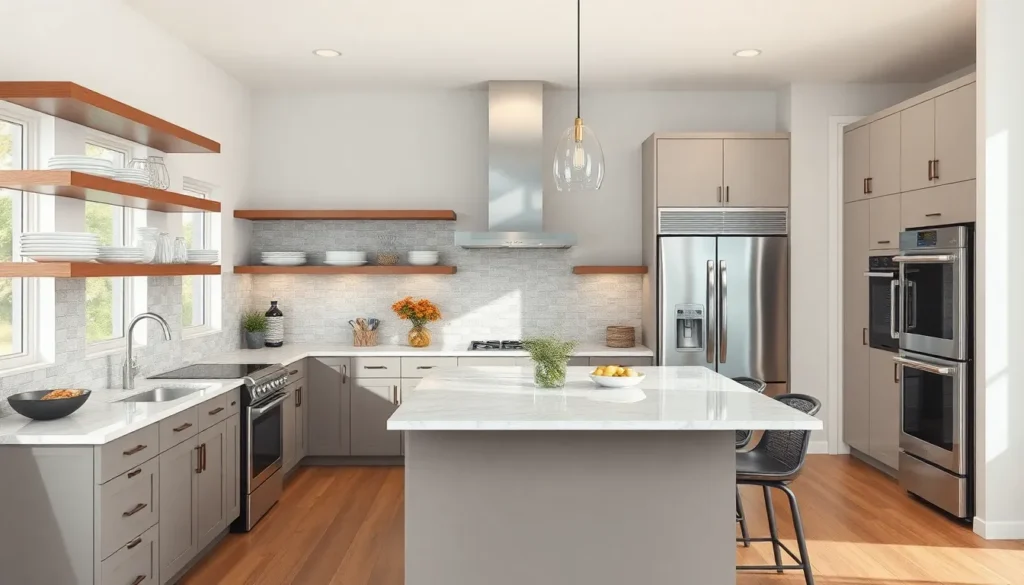
Kitchen renovations consistently deliver exceptional returns, with homeowners recouping 75-85% of their investment at resale. This high ROI stems from the kitchen’s central role in daily life and its significant impact on buyer impressions during home tours.
Modern Appliance Upgrades
Energy-efficient stainless steel appliances transform kitchens both functionally and aesthetically. Homeowners investing in ENERGY STAR refrigerators save $300+ on utility bills over the appliance’s lifetime while attracting environmentally conscious buyers. Smart appliances, like WiFi-enabled ovens and refrigerators with touchscreen interfaces, command premium prices in competitive markets. Induction cooktops offer 90% energy efficiency compared to gas stoves’ 40%, creating tangible selling points. Professional-grade appliances, though pricier initially, provide 82% cost recovery at resale—significantly higher than budget alternatives’ 65% recovery rate. Matching appliance finishes creates visual harmony that appeals to 78% of prospective buyers according to National Association of Realtors surveys.
Countertop and Cabinet Transformations
Quartz countertops deliver outstanding 94% ROI while requiring minimal maintenance compared to natural stone alternatives. Cabinet refacing costs 40-50% less than full replacement yet yields similar aesthetic impact for buyers, making it an exceptionally cost-effective renovation. Two-tone cabinet designs—pairing white uppers with navy or gray lowers—create visual interest that appeals to contemporary buyers without dating quickly. Handle and hardware upgrades represent a $200-300 investment that dramatically transforms cabinet appearance with minimal effort. Open shelving installations cost 30% less than traditional cabinetry while creating the illusion of more space in smaller kitchens. Large kitchen islands with seating recoup nearly 100% of their cost while satisfying buyers’ desires for multipurpose gathering spaces. Waterfall countertop edges add luxury appeal at a relatively modest $1,500-2,500 premium over standard installations.
Bathroom Remodels: Small Spaces, Big Returns
Bathroom renovations consistently rank among the most profitable home improvements, offering an average ROI of 60-70%. These compact spaces pack impressive potential for boosting property value through strategic upgrades that appeal to buyers’ desires for modern functionality and luxury touches.
Master Bath Enhancements
Master bathroom upgrades deliver exceptional returns, with luxury features recouping 56-58% of costs at resale. Dual vanities have become essential in master baths, eliminating morning congestion and instantly boosting marketability. Walk-in showers with frameless glass doors create a spa-like atmosphere that today’s buyers prioritize over traditional tub-shower combinations. Statement tile work—particularly in herringbone or geometric patterns—transforms ordinary bathrooms into design showcases. Heated floors add a touch of luxury that buyers remember, costing $5-12 per square foot but creating a powerful selling point. Smart features like digital shower controls, LED mirrors, and humidity-sensing ventilation fans further enhance appeal while addressing buyers’ growing expectations for tech-integrated homes.
Adding a Bathroom
Creating an additional bathroom delivers an impressive 53-58% ROI while addressing a critical buyer concern—insufficient bathrooms. Powder rooms require minimal square footage (as little as 18-25 square feet) yet dramatically improve daily living and entertaining capacity. Converting underutilized spaces like closets, under-stair areas, or sections of adjacent rooms provides cost-effective bathroom addition opportunities. Half-baths typically cost $10,000-15,000 compared to full bathrooms at $30,000-50,000, offering better square-foot value. Strategic bathroom additions that increase the bathroom-to-bedroom ratio from 1:3 to 1:2 significantly boost property marketability, especially in family homes. Three-bedroom homes with just one bathroom face substantial market disadvantages, while adding a second bathroom often results in faster sales and premium offers from relieved buyers seeking adequate facilities.
Energy-Efficient Upgrades
Energy-efficient home improvements deliver exceptional returns by reducing monthly utility expenses and attracting eco-conscious buyers. These upgrades often pay for themselves through energy savings while simultaneously boosting property value and marketability.
Window Replacements
High-quality replacement windows rank among the most profitable energy upgrades, offering homeowners a 68-70% ROI at resale. Modern double-pane windows with low-E coatings minimize heat transfer, reducing heating and cooling costs by 15-25% annually. Energy Star certified windows add particular value in extreme climate regions where buyers actively seek energy efficiency features. The aesthetic improvement from new windows also enhances curb appeal, creating a positive first impression for potential buyers. Vinyl frames provide excellent insulation at moderate cost points, while fiberglass options command premium prices but deliver superior performance. Smart homeowners opt for window styles that complement their home’s architectural character while maximizing energy performance.
HVAC and Insulation Improvements
HVAC system upgrades generate remarkable returns, with new high-efficiency systems recouping 71-76% of installation costs at resale. Buyers consistently prioritize homes with modernized heating and cooling systems, viewing outdated equipment as immediate future expenses. Proper attic insulation delivers even better returns, offering an 83-117% ROI while cutting energy bills by 15-20%. Spray foam insulation in walls, attics, and crawl spaces prevents air leakage more effectively than traditional fiberglass batts. Smart thermostats complement these improvements by optimizing temperature settings and demonstrating a home’s technological readiness. Upgraded HVAC systems with zoned capabilities allow temperature customization in different areas, a feature particularly appealing to families with varying comfort preferences. Energy-efficient ventilation systems also improve indoor air quality, addressing another key buyer concern.
Outdoor Living Spaces That Increase Value
Outdoor living spaces transform ordinary properties into sought-after homes while delivering impressive returns on investment. Thoughtful exterior improvements extend usable square footage and create that crucial positive first impression for potential buyers, making them among the smartest renovation choices for homeowners looking to maximize property value.
Deck and Patio Additions
Deck additions rank among the most profitable outdoor investments, delivering an average ROI of 65-75% at resale. Composite decking materials, though pricier initially at $30-45 per square foot installed, outperform traditional wood by requiring minimal maintenance and lasting 25-30 years. Patios offer even stronger returns, with professionally installed concrete or stone patios recouping 80-85% of costs. Buyers particularly value outdoor kitchens and dining spaces that feature built-in grills, compact refrigerators, and weather-resistant cabinetry. Pergolas and covered seating areas extend the usability of these spaces, creating outdoor rooms that function as natural extensions of the home’s interior living space. Strategic lighting installations enhance both the safety and ambiance of these areas, adding functionality after sunset.
Landscaping and Curb Appeal
Professional landscaping generates returns of 150-200% at resale, making it the highest-ROI exterior improvement available to homeowners. Strategic tree placement provides shade that reduces cooling costs by 15-35% while simultaneously increasing property values by 7-19%. Foundation plantings frame the home and soften architectural lines, creating visual harmony between structures and the surrounding landscape. Automated irrigation systems appeal strongly to buyers concerned about landscape maintenance requirements. Low-maintenance native plants reduce ongoing care costs while supporting local pollinators and wildlife. Defined outdoor spaces, such as meditation gardens or fire pit areas, help buyers envision lifestyle possibilities. Simple improvements like fresh mulch, seasonal color, and strategic pruning deliver outsized returns by creating that crucial positive first impression that entices buyers to explore further.
Interior Upgrades With Phenomenal Payoff
Inside your home lies untapped potential for value-adding improvements that deliver exceptional returns. Interior upgrades strategically enhance both livability and marketability while requiring less investment than major renovations.
Flooring Investments
Hardwood flooring installations deliver remarkable returns, recouping 106-118% of costs at resale. Quality hardwood floors create an immediate perception of luxury and durability that resonates with potential buyers. Engineered hardwood offers similar aesthetic appeal at 70-80% of solid hardwood’s cost while providing greater resistance to moisture and temperature fluctuations. Luxury vinyl plank (LVP) flooring emerges as a cost-effective alternative, delivering 70% ROI while mimicking the appearance of natural materials. Modern LVP products feature enhanced durability, waterproof qualities, and simplified installation methods. Refinishing existing hardwood floors proves even more profitable, generating a stunning 147% return on investment by restoring the original beauty at a fraction of replacement costs.
Paint and Lighting Updates
Fresh interior paint delivers an extraordinary 107% ROI on average, making it the highest-returning cosmetic improvement available to homeowners. Neutral color schemes particularly resonate with buyers, creating versatile backgrounds that accommodate various decorating styles. Transforming dark rooms with strategically placed lighting fixtures generates 60-70% returns while dramatically enhancing spatial perception. Recessed lighting installations in main living areas and kitchens cost $125-$300 per fixture yet substantially boost property appeal. Statement light fixtures in entryways and dining areas serve as focal points that elevate design aesthetics. Smart lighting systems incorporating programmable controls and energy-efficient LED technology appeal particularly to tech-savvy buyers. These relatively small investments create dramatic visual impact with minimal disruption compared to structural renovations.
Avoiding Improvements With Poor Returns
Not all home improvements deliver favorable returns on investment. Certain renovation projects consistently underperform when it comes to recouping costs at resale. Swimming pools, despite their recreational appeal, typically return only 40-50% of their investment while adding maintenance expenses and limiting buyer appeal for families with young children.
Luxury upgrades rarely pay off in middle-market neighborhoods where they create overimprovement issues. High-end wine cellars, elaborate home theaters, and custom built-ins often recoup less than 30% of their costs because they reflect personal preferences rather than universal appeal.
Extensive landscaping with exotic plants or complex water features recovers just 35-40% of installation expenses due to perceived maintenance requirements. Converting garages into living spaces proves equally problematic, returning only 50-60% while eliminating coveted parking and storage areas that most buyers consider essential.
Textured or specialty wall finishes like wallpaper perform poorly with a 40% average return because they reflect specific tastes that new owners typically plan to change. Trendy design choices with limited staying power, such as bold specialty tiles or unusual bathroom fixtures, similarly achieve subpar returns of 45-55%.
Home offices with built-in furnishings recover barely 50% of costs since remote work setups vary widely among potential buyers. Sunroom additions fare even worse with returns averaging 45-50%, largely due to their limited seasonal use in many climates and high square-footage costs compared to standard living space additions.
Smart homeowners avoid these low-return improvements, focusing instead on projects that enhance broad marketability and align with neighborhood standards.
Timing Your Renovations for Maximum Value
The real estate market’s cyclical nature directly impacts renovation returns. Spring and summer months typically see higher home prices, making these seasons ideal for completing renovation projects before listing. Homeowners who finish kitchen or bathroom upgrades just before the spring selling season often secure 5-7% higher returns than those who renovate during market downturns.
Economic conditions significantly influence renovation timing decisions. During economic upswings, renovation costs increase due to higher material prices and contractor demand, but the potential return grows proportionately. Conversely, economic downturns offer opportunities to secure contractors at competitive rates, with data showing renovation costs decreasing by 10-15% during recession periods.
Strategic timing also applies to renovation sequencing. Completing disruptive projects like kitchen renovations before less invasive updates minimizes living disruption while maximizing overall property appeal. Coordinating multiple renovation projects simultaneously reduces contractor mobilization costs by 8-12% compared to spreading projects across multiple years.
Local market trends provide essential timing insights for maximizing renovation returns. Areas experiencing rapid population growth or commercial development typically see property values increase 15-20% faster than stagnant markets. Homeowners who time major renovations to coincide with neighborhood gentrification or infrastructure improvements capture significantly higher returns on their investment, sometimes exceeding standard ROI metrics by 25-30%.
The optimal renovation timeline for most projects spans 3-5 years before selling. This timeframe allows homeowners to enjoy their improvements while ensuring updates remain current when the property hits the market. Energy efficiency upgrades deliver their strongest returns when completed 2-3 years before selling, allowing time to demonstrate tangible utility savings to potential buyers.
Conclusion
Investing wisely in home improvements can dramatically increase property value while enhancing daily living. Kitchen renovations bathroom upgrades and energy-efficient improvements consistently deliver exceptional returns making them smart financial decisions for homeowners. Meanwhile outdoor living spaces hardwood flooring and fresh interior paint offer impressive ROIs without breaking the bank.
Savvy homeowners avoid swimming pools luxury upgrades in mid-range neighborhoods and highly personalized features that limit broad appeal. Strategic timing of renovations particularly 3-5 years before selling maximizes their impact on property value.
The most profitable home improvements strike the perfect balance between current enjoyment and future marketability creating spaces that both homeowners and potential buyers will love. By prioritizing high-ROI projects homeowners can transform their living spaces while securing solid financial returns when it’s time to sell.