
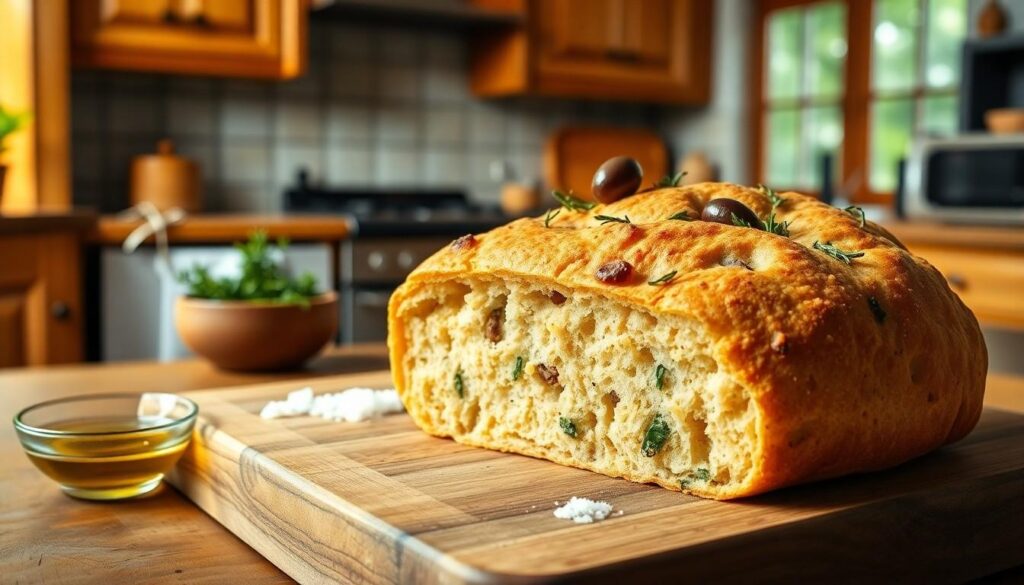
Focaccia might just be the bread of the gods, but before diving face-first into that golden, fluffy goodness, it’s worth checking out the nutrition facts. This Italian delight isn’t just a sidekick for your pasta; it can be a surprisingly versatile addition to any meal. With its crispy crust and soft interior, focaccia can steal the spotlight on any dinner table—if it doesn’t disappear too quickly, that is!
Overview of Focaccia
Focaccia is a popular Italian bread known for its rich flavor and delightful texture. It contains simple ingredients like flour, water, salt, and yeast. Additional toppings such as herbs or olives enhance its taste profile. Nutritionally, focaccia varies based on ingredients and portion size.
One serving, approximately 100 grams, offers around 300 calories. Focaccia typically provides 10 grams of protein, contributing to its satiety. Carbohydrate content stands at about 50 grams, supplying energy. Fiber content can fluctuate, averaging 2 grams per serving, depending on the type of flour used.
Fat content is notable, ranging from 7 to 10 grams per serving. Healthy fats can come from olive oil, which adds flavor and provides additional health benefits. Sodium levels are significant, often peaking at 400 milligrams, primarily due to salt used in the dough and for sprinkling on top.
Choosing whole grain versions can enhance the nutritional profile by increasing fiber and vitamins. Homemade focaccia allows for better control over ingredients, promoting healthier options. Restaurants and bakeries often offer focaccia variations, impacting the overall nutrition facts.
Understanding these nutritional details can help individuals make informed choices about incorporating focaccia into their diets, whether as a side dish or a main meal component.
Key Ingredients in Focaccia
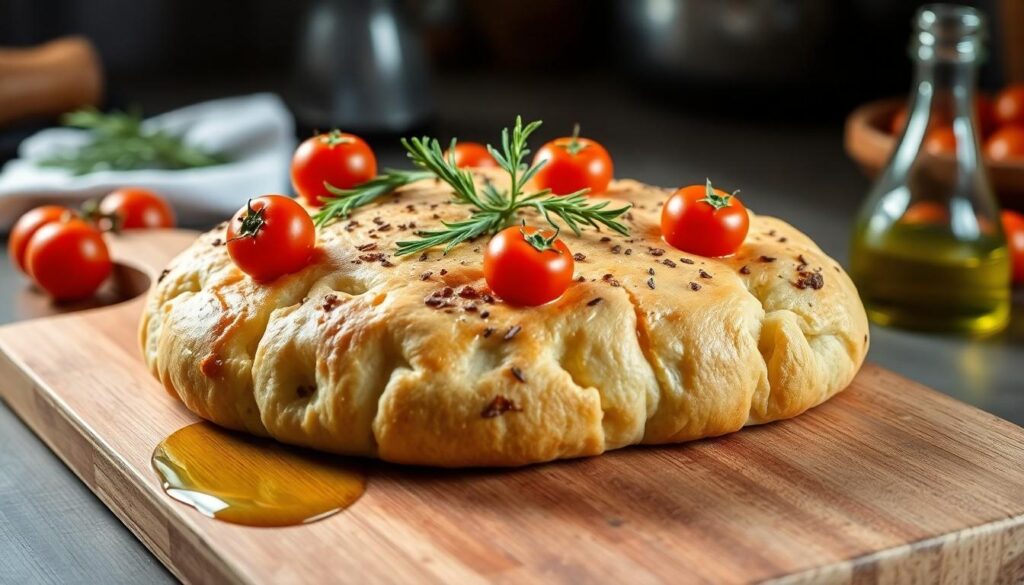
Focaccia’s flavor profile and texture depend heavily on its ingredients. Understanding these components provides insight into its nutrition and culinary versatility.
Flour Varieties
Wheat flour serves as the primary base for focaccia. Different types of wheat flour can produce varying textures and flavors. All-purpose flour creates a light and airy bread, while whole wheat flour adds fiber and nutrients. Semolina flour, made from durum wheat, delivers a rich taste and slightly grainy texture. Additionally, some recipes incorporate gluten-free flours, accommodating those with dietary restrictions. Each variety contributes unique qualities to the final product, allowing for a range of focaccia experiences.
Additional Ingredients
Olive oil plays a significant role in focaccia, enhancing flavor and moisture. It also contributes healthy fats, which improve the overall nutritional profile. Salt elevates taste and affects the fermentation process, while yeast causes the dough to rise. Common toppings include fresh herbs like rosemary and toppings such as olives or cherry tomatoes. These additions introduce bursts of flavor, further enriching the dough. Together, these elements transform simple ingredients into a beloved Italian delicacy.
Nutritional Profile of Focaccia
Focaccia offers a unique combination of nutrients, making it a versatile choice for many meals. Understanding its nutritional aspects supports informed dietary decisions.
Macronutrients Breakdown
A 100-gram serving of focaccia typically contains about 300 calories. Carbohydrates contribute approximately 50 grams, providing energy. Protein content stands at around 10 grams, supporting muscle health. Fat amounts to about 8 grams, primarily from olive oil, which delivers healthy monounsaturated fats. Fiber content can vary but often reaches around 2 grams, aiding digestion. Choosing whole grain focaccia boosts fiber intake, enhancing its health benefits.
Micronutrients Content
Focaccia is an excellent source of certain micronutrients. It contains essential minerals like calcium, contributing to bone health, with approximate levels reaching 50 milligrams per serving. Iron content, vital for oxygen transport in the blood, typically offers about 1 milligram. Sodium levels may be high, around 400 milligrams, depending on added salt. Focaccia can also provide small amounts of B vitamins, supporting energy metabolism and overall health. Adjustments in preparation can enhance the micronutrient profile.
Health Benefits of Focaccia
Focaccia offers several health benefits when included in a balanced diet. The presence of whole grains, particularly in whole grain versions, increases fiber intake, supporting digestive health. Fiber aids in maintaining regular bowel movements and can help lower cholesterol levels.
The use of olive oil in focaccia contributes healthy fats, promoting heart health. Healthy fats assist in nutrient absorption and help build cell membranes. Additionally, these fats can provide a feeling of fullness, which may control overeating.
Calcium and iron, vital micronutrients, are found in focaccia, essential for bone health and oxygen transport in the body. Incorporating foods rich in these nutrients contributes to overall health and well-being. Including focaccia as part of a varied diet can support energy levels and improve nutrient intake.
Moderation plays a significant role in enjoying focaccia. Monitoring portion sizes helps manage caloric intake while still enjoying the bread’s satisfying texture and flavor. Choosing toppings wisely, opting for fresh herbs or vegetables over heavy cheeses or processed meats, enhances the nutritional quality of the meal.
Sodium levels in focaccia can be high, especially with added salt. Individuals monitoring sodium intake should consider homemade focaccia, allowing for control over salt usage. Balancing focaccia with fresh, nutrient-dense foods ensures a well-rounded meal.
Overall, focaccia can be a delightful addition to one’s diet when enjoyed mindfully. It serves as a satisfying side or an intriguing base for various toppings, offering both flavor and nutrition.
Considerations and Moderation
Focaccia offers a delightful combination of flavors and textures, yet moderation remains crucial for a balanced diet. Monitoring portion sizes ensures that individuals enjoy this tasty bread without excessive calorie intake. While a typical 100-gram serving contains around 300 calories, indulging too frequently can lead to higher overall calorie consumption.
Sodium content also raises considerations for health-conscious individuals. With levels reaching up to 400 milligrams per serving, those watching sodium intake must be cautious. Opting for homemade versions allows more control over added salt, enabling a healthier alternative without sacrificing taste.
Selecting whole grain varieties enhances the nutritional profile significantly. Whole grain focaccia typically contains more fiber, which supports digestive health and may assist in lowering cholesterol levels. Including healthy toppings, such as vegetables or herbs, adds nutrients while enhancing flavors.
Balancing focaccia with other nutritious foods maintains a well-rounded diet. Pairing it with salads or lean proteins creates a fulfilling meal that offers a variety of nutrients. Consideration of overall dietary habits alongside focaccia consumption ensures that its enjoyment aligns with health goals.
Tracking individual nutritional needs can help guide choices regarding focaccia. Adjustments like reducing serving sizes or incorporating healthier ingredients can enhance overall health while still allowing this delicious bread to be part of meals. Enjoying focaccia in moderation creates opportunities for flavorful and nutritious dining experiences.
Focaccia offers a delightful blend of flavor and nutrition that can enhance any meal. Its simple ingredients and versatility make it a popular choice for many. By opting for whole grain versions and being mindful of toppings and portion sizes, individuals can enjoy this Italian bread while reaping its health benefits.
Incorporating focaccia into a balanced diet can support digestive health and provide essential nutrients. With careful preparation and ingredient choices, it’s possible to savor this delicious bread without compromising on nutrition. Focaccia can truly be a satisfying addition to any dining experience when enjoyed in moderation.

![cbt therapy, cbt therapy near me, stress anxiety treatment, cognitive behavioral therapy, local cbt clinics, anxiety relief options, stress management therapy, cbt therapists in [location], mental health therapy, therapy for stress and anxiety](https://pagerehabhc.com/wp-content/uploads/2026/05/airtable_6a03870aadea6-1-1024x576.jpg)
