
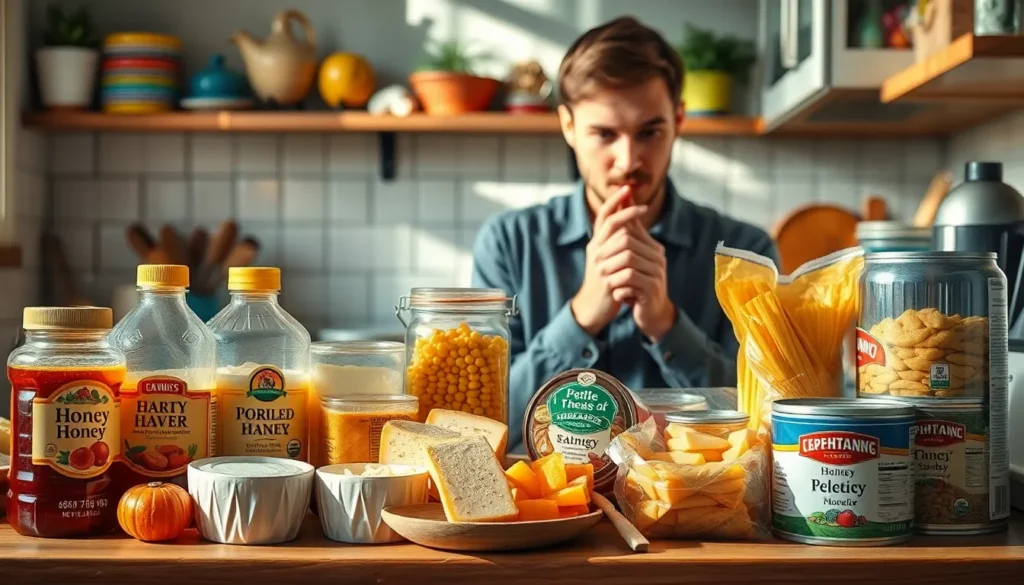
Ever tossed perfectly good food because of that intimidating expiration date? You’re not alone! Many consumers waste tons of food annually based on those tiny printed numbers, but here’s a delicious secret: many foods remain perfectly safe and tasty well beyond their “best by” dates.
From honey that literally lasts forever to certain cheeses that actually improve with age, understanding which foods have staying power can save your wallet and reduce waste. While food safety should never be taken lightly, knowing the difference between “use by,” “sell by,” and “best before” dates empowers smarter kitchen decisions and less unnecessary trash.
Understanding Food Expiration Dates
Food expiration dates often mislead consumers into discarding perfectly edible food. These dates represent quality rather than safety in many cases, with manufacturers providing guidance on when their products maintain peak freshness.
What Expiration Dates Really Mean
Expiration dates primarily indicate quality thresholds, not safety cutoffs. Manufacturers establish these dates based on when food maintains optimal flavor, texture, and nutritional value – not when it becomes dangerous to consume. Many foods remain safe to eat days, weeks, or even months after their labeled date, depending on proper storage conditions and the food type. Temperature control plays a crucial role, with refrigerated foods generally lasting 3-7 days beyond their dates when stored below 40°F. Visual inspection, smell tests, and common sense offer more reliable indicators of food safety than arbitrary dates. Foods showing no signs of spoilage (mold, off-odors, sliminess) typically remain safe for consumption despite passing their labeled date.
Different Types of Food Date Labels
Food packages feature various date labels with distinct meanings. “Best By” or “Best Before” dates suggest when a product maintains peak quality but remain safe to consume afterward. “Sell By” dates guide retailers on inventory management and don’t indicate consumption deadlines for shoppers. “Use By” dates appear on highly perishable items and deserve more attention for safety reasons. “Pack Date” or “Manufacturing Date” indicate when food was produced and packaged, often found on canned goods and shelf-stable products. “Freeze By” dates recommend timeframes for freezing to maintain optimal quality. The FDA doesn’t regulate most date labels except for infant formula, creating inconsistency across manufacturers. Many countries have standardized these labels to reduce consumer confusion and minimize unnecessary food waste.
Common Shelf-Stable Foods That Last Beyond Expiration
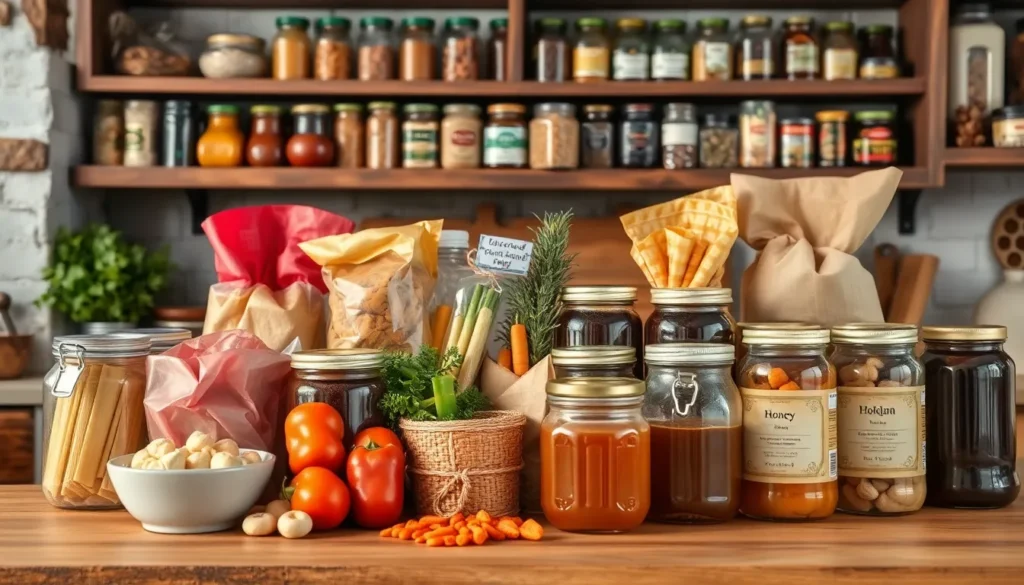
Many shelf-stable foods remain safe and maintain quality long after their printed expiration dates. These products typically contain preservatives, low moisture content, or undergo processing methods that extend their usable life far beyond what’s indicated on packaging.
Dry Goods and Pantry Staples
Dried pasta keeps for 1-2 years past its expiration date when stored in airtight containers away from moisture. White rice lasts 4-5 years beyond its date when properly sealed, while brown rice stays good for 6-8 months due to its higher oil content. Dried beans maintain their nutritional value for 2-3 years past expiration, though cooking times may increase as they age. Sugar never truly expires, with white sugar lasting indefinitely and brown sugar remaining viable for 2 years when kept moisture-free. Flour typically stays usable 6-8 months beyond its date, with white flour outlasting whole wheat varieties. Spices don’t spoil but gradually lose potency—whole spices remain flavorful for 3-4 years while ground versions maintain strength for 2-3 years.
Canned Foods and Preserves
Commercially canned vegetables retain quality for 1-2 years past expiration when stored in cool, dry locations. Canned fruits stay delicious for 12-18 months beyond their dates, with higher-acid varieties like pineapple maintaining quality longer than lower-acid options. Canned meats and fish remain safe for 3-5 years past expiration dates when cans show no damage or bulging. Pickled foods last 1-2 years beyond labeling due to their vinegar content creating inhospitable environments for bacteria. Jams and jellies maintain flavor and safety for 6-12 months after expiration when refrigerated after opening. Honey stands as a remarkable exception, staying edible indefinitely—archaeological discoveries have found 3,000-year-old honey still suitable for consumption. Pure maple syrup lasts 2-4 years unopened, while corn syrup remains usable for 1-2 years beyond its date.
Refrigerated Foods With Extended Shelf Life
Many refrigerated foods remain safe and tasty well beyond their printed dates when stored properly. Understanding which refrigerated items have extended shelf lives helps reduce unnecessary food waste while maximizing grocery budgets.
Dairy Products That Last Longer
Hard cheeses like cheddar and Parmesan maintain quality for 3-4 weeks past their expiration dates when properly wrapped to prevent mold. Yogurt typically stays good for 1-2 weeks beyond its date, especially when unopened, with visible mold or unusual smell being the true indicators of spoilage. Butter can last 2-3 months past its date when refrigerated in its original packaging or an airtight container. Pasteurized milk often remains safe for consumption 5-7 days after the date on the carton, particularly when stored in the coldest part of the refrigerator rather than the door. Eggs extend 3-5 weeks beyond their carton date when kept in their original container toward the back of the refrigerator.
Condiments and Sauces
Mayonnaise maintains quality for 2-3 months past its expiration date when stored properly and used with clean utensils. Ketchup remains good for up to 6 months beyond its labeled date due to its high acid content that naturally preserves the product. Mustard lasts an impressive 1-2 years after expiration because of its antibacterial properties from vinegar and mustard seeds. Salad dressings containing vinegar or citrus juice stay fresh for 1-3 months after their printed dates, with oil-based varieties lasting longer than cream-based options. Pickled products extend 1-2 years beyond their dates thanks to their preservation in vinegar brine that creates an inhospitable environment for harmful bacteria. Commercially produced salsa retains quality for 5-7 days after opening regardless of the printed date, with changes in color or an off smell signaling time to discard.
Frozen Foods: The Long-Term Storage Champions
Frozen foods excel at extending shelf life well beyond expiration dates while preserving nutritional content. The freezing process suspends bacterial growth and enzymatic activity, making frozen items some of the most reliable options for long-term food storage.
Proper Freezing Techniques
Freezing food correctly maximizes its longevity and quality after the expiration date. Foods must be frozen at 0°F (-18°C) or below to effectively halt bacterial growth and enzymatic processes that cause spoilage. Airtight packaging prevents freezer burn, which occurs when air contacts the food surface and causes dehydration and oxidation. Vacuum-sealed bags provide optimal protection by removing all air before sealing. Glass containers work well for soups and stews, while heavy-duty aluminum foil offers excellent protection for meats. Labeling packages with contents and freeze dates eliminates guesswork when determining how long items have been stored. Blanching vegetables before freezing destroys enzymes that cause deterioration, preserving color, texture, and nutrients during long-term storage. Rapid freezing produces smaller ice crystals that cause less cellular damage, resulting in better texture upon thawing.
How to Tell If Food Is Still Safe to Eat
Determining food safety extends beyond printed dates on packaging. Learning to use your senses and understanding physical changes in food helps you make informed decisions about whether items remain safe to consume.
Visual and Smell Tests
Visual inspections provide immediate clues about food safety. Fresh foods display vibrant colors while spoiled items often exhibit discoloration, fuzzy growth, or unusual spots. Mold appears as white, green, blue, or black patches and typically indicates spoilage, especially on soft foods like bread and fruit. Meat shows deterioration through gray, brown, or green discoloration rather than its natural red or pink hue.
The smell test remains one of the most reliable indicators—spoiled food emits sour, rancid, or putrid odors that differ noticeably from fresh counterparts. Dairy products develop a sour aroma, meat produces a sulfurous or ammonia-like smell, and oils give off a paint-like odor when rancid. Trust your nose; humans evolved to detect these warning signals as a natural defense mechanism against consuming unsafe food.
Texture Changes to Watch For
Texture alterations signal potential food deterioration clearly. Fresh produce maintains firmness and crispness, while spoilage causes softening, mushiness, or sliminess. Cucumbers and zucchini feel slimy when deteriorating, and lettuce turns soggy and brown. Meat develops sticky or tacky surfaces when bacterial growth begins, indicating advanced decomposition.
Dairy products separate, curdle, or become chunky when spoiled—yogurt forms excessive liquid on top, and milk thickens unnaturally. Bread softens then hardens as it stales, eventually developing a leathery texture before mold appears. Canned goods with bulging lids or containers that spurt liquid when opened suggest dangerous bacterial growth producing gas. Unusual textures paired with off smells create reliable evidence that food has passed its safe consumption window regardless of what the printed date suggests.
Tips for Extending Food Shelf Life
Maximizing food longevity requires implementing proper storage and preservation strategies. These techniques not only extend the usability of foods beyond their expiration dates but also help maintain quality and nutritional value while reducing waste.
Proper Storage Methods
Proper food storage dramatically extends shelf life beyond printed dates. Temperature control forms the foundation of effective storage—refrigerators should maintain 40°F (4°C) or below, while freezers operate best at 0°F (-18°C). Pantry items need cool, dry environments away from direct sunlight, ideally between 50-70°F (10-21°C). Airtight containers prevent moisture and air exposure that accelerate spoilage for items like cereals, flour, and sugar. Glass jars provide excellent storage for grains, beans, and pasta, protecting against humidity and pests. Produce requires specific storage conditions—tomatoes, onions, and potatoes stay fresher at room temperature, while leafy greens last longer in the refrigerator crisper drawer with proper humidity. Separating ethylene-producing fruits (apples, bananas) from ethylene-sensitive produce prevents premature ripening and extends freshness.
Food Preservation Techniques
Ancient preservation methods remain effective for extending food life today. Freezing locks in nutrients and halts bacterial growth, preserving meat for 6-12 months and vegetables for 8-10 months when properly packaged. Pickling combines vinegar, salt, and spices to create an acidic environment that preserves vegetables like cucumbers and carrots for months. Fermentation transforms foods through beneficial bacteria, creating products like sauerkraut and kimchi that last for weeks in refrigeration. Canning applies heat to seal food in airtight containers, extending shelf life to 1-5 years for many fruits, vegetables, and sauces. Dehydration removes moisture that bacteria need to thrive, making dried fruits, jerky, and herbs shelf-stable for 6-12 months. Vacuum sealing extracts air from packaging, preventing oxidation and extending refrigerated meats’ shelf life by 3-5 times compared to conventional storage methods.
Foods You Should Never Eat Past Expiration
While many foods remain safe beyond their printed dates, certain high-risk items should never be consumed after expiration. These foods can pose serious health risks regardless of how they look or smell, making strict adherence to expiration dates essential for these categories.
High-Risk Perishables
High-risk perishables demand strict adherence to expiration dates due to their potential for harboring dangerous bacteria. Raw meats, including chicken, ground beef, and fish, develop harmful pathogens like Salmonella and E. coli when kept too long. Deli meats contain preservatives but still create perfect breeding grounds for Listeria after their use-by date. Shellfish ranks among the most dangerous expired foods, with oysters, clams, and mussels potentially causing severe food poisoning within hours of consumption. Pre-cut produce carries increased contamination risk because cutting damages protective surfaces and introduces bacteria. Ready-made sandwiches combine multiple perishable ingredients, multiplying contamination possibilities after expiration. Unpasteurized dairy products lack the bacterial safeguards of their pasteurized counterparts, making them particularly hazardous beyond their dates.
Reducing Food Waste With Proper Knowledge
Understanding food expiration dates empowers consumers to make informed decisions that significantly reduce household food waste. Proper knowledge about food preservation and safety transforms how we manage our kitchen inventory.
Environmental Impact of Food Waste
Food waste contributes approximately 8-10% of global greenhouse gas emissions through methane production in landfills. Each year, Americans discard nearly 40 million tons of food, equivalent to 219 pounds per person annually. This waste extends beyond the food itself, representing squandered resources used in production—including 21% of freshwater, 19% of fertilizer, and 18% of cropland. Decomposing food in landfills generates methane, a greenhouse gas 25 times more potent than carbon dioxide at trapping heat in the atmosphere. Environmental organizations estimate that eliminating global food waste would have the same impact as taking one in four cars off the road. Reducing household food waste by understanding expiration dates creates a substantial positive environmental impact comparable to other major sustainability initiatives.
Conclusion
Knowing which foods remain safe beyond their printed dates can transform how we approach our kitchen inventory. By understanding the difference between quality dates and safety indicators many households can significantly reduce waste while saving money.
The key lies in developing personal food safety skills – learning to trust your senses over printed dates for appropriate foods. Using proper storage techniques further extends shelf life while maintaining quality.
Remember that while many foods last weeks or months past their dates certain high-risk items should never be consumed after expiration. This balanced approach to food dates not only protects your health and budget but also contributes to environmental sustainability by keeping millions of tons of edible food out of landfills.

![cbt therapy, cbt therapy near me, stress anxiety treatment, cognitive behavioral therapy, local cbt clinics, anxiety relief options, stress management therapy, cbt therapists in [location], mental health therapy, therapy for stress and anxiety](https://pagerehabhc.com/wp-content/uploads/2026/05/airtable_6a03870aadea6-1-1024x576.jpg)
