

Cooking can be an adventure or a disaster—it all depends on how well you understand your recipe. Many aspiring chefs struggle with deciphering the culinary code that stands between them and a delicious meal. Those mysterious abbreviations, vague instructions, and unfamiliar techniques can make anyone want to order takeout instead.
But fear not! Reading a recipe doesn’t have to feel like translating ancient hieroglyphics. With a few simple strategies, anyone can transform from a confused kitchen novice to a confident cook who knows exactly what “fold gently” actually means and why it matters that your butter is “cold but pliable.” The secret lies in understanding the fundamental structure of recipes and learning to spot the crucial details that make all the difference.
Understanding the Basic Structure of a Recipe
Most recipes follow a standard format that makes them easier to follow once you recognize the pattern. Breaking down this structure helps demystify even the most complex recipes and sets you up for cooking success.
Recipe Title and Introduction
Recipe titles provide immediate insights into what you’re preparing, often indicating the main ingredients, preparation method, or cultural origin. A good title like “Crispy Baked Garlic Parmesan Chicken Wings” tells you about the cooking technique (baked), key flavors (garlic, parmesan), and main ingredient (chicken wings). Recipe introductions typically offer context about the dish’s history, flavor profile, or special attributes. These brief paragraphs might explain that a Moroccan tagine traditionally cooks slowly to develop complex flavors or that a particular bread recipe has been passed down for generations. Many introductions also include practical information such as preparation difficulty, total cooking time, and helpful tips for achieving the best results.
Yield and Serving Size Information
Yield information tells you exactly how much food the recipe produces, helping with meal planning and portion control. This crucial detail appears near the top of recipes and might be listed as “Serves 4,” “Makes 24 cookies,” or “Yields 2 quarts of soup.” Serving sizes complement yield information by specifying individual portion amounts—such as “½ cup per serving” or “two tacos per person.” These details allow cooks to scale recipes up or down depending on their needs. For example, a lasagna recipe that serves 8 can be halved for a smaller household or doubled for a large gathering. Professional recipes often include weight measurements alongside volume measures, providing even more precision for scaling. Understanding yield information prevents food waste and ensures you’ll have enough to feed everyone at your table.
Breaking Down the Ingredients List
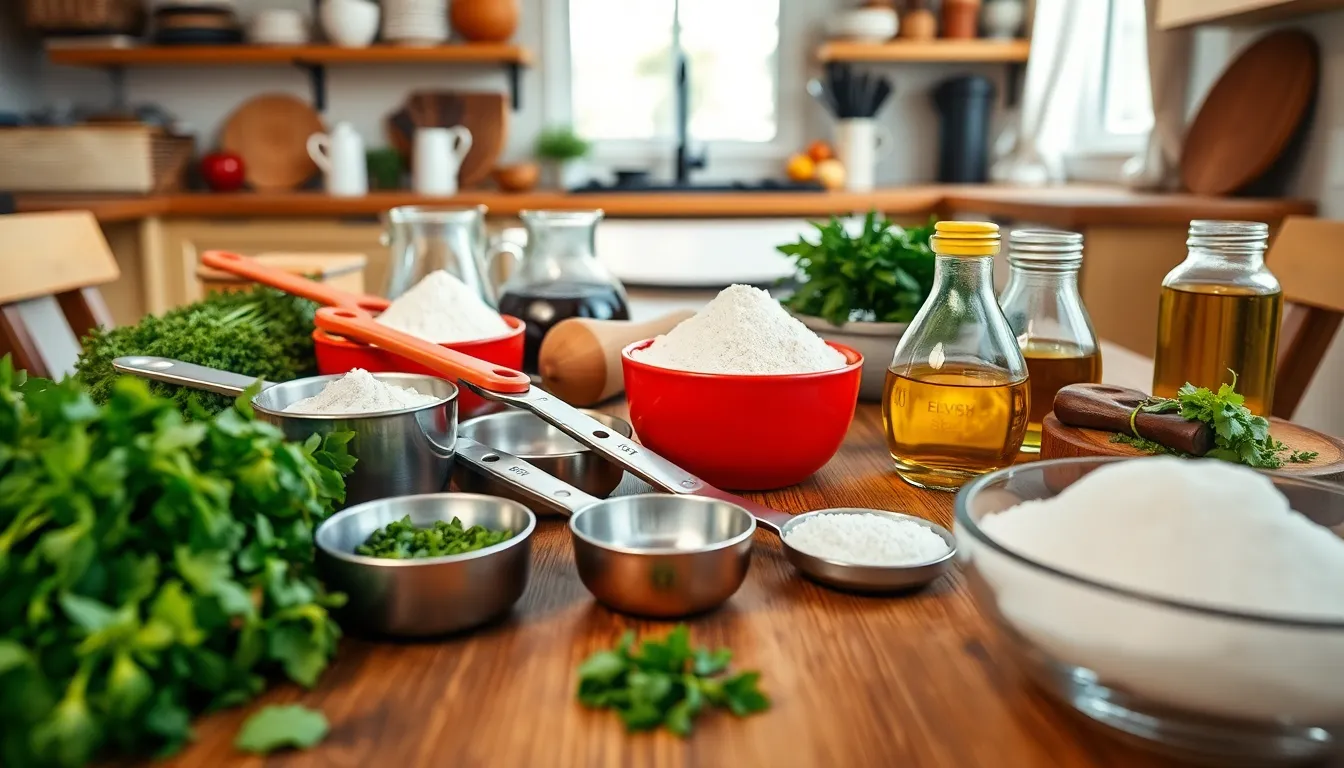
The ingredients list forms the foundation of every recipe, listing all components needed to create the dish successfully. Understanding how to interpret this section properly ensures you gather everything necessary before cooking begins and helps prevent mid-cooking surprises.
Measurement Terminology and Conversions
Recipe measurements appear in various formats depending on the cookbook’s origin or author preference. Common volume measurements include teaspoons (tsp), tablespoons (tbsp), cups (c), fluid ounces (fl oz), milliliters (ml), and liters (L). Weight measurements typically list grams (g), kilograms (kg), ounces (oz), and pounds (lb). Converting between measurement systems becomes essential when following international recipes—for example, 1 cup equals approximately 240ml, while 1 tablespoon equals 15ml.
Many ingredients also use descriptive terms like “heaping” (mounded above the measuring tool), “scant” (slightly less than the specified amount), or “packed” (pressed firmly into the measuring cup). Digital kitchen scales provide the most accurate results for recipes specifying weight measurements, eliminating interpretation errors common with volume measurements.
Special Ingredients and Substitutions
Recipes sometimes call for unfamiliar or hard-to-find ingredients that might seem intimidating. Professional chefs often indicate when specialty items can be substituted with more accessible alternatives directly in their recipes. For example, fish sauce might list soy sauce as an alternative, or crème fraîche might suggest sour cream as a replacement.
Certain dietary restrictions require strategic substitutions—almond flour replacing all-purpose flour for gluten-free baking, flax eggs substituting for chicken eggs in vegan recipes, or coconut sugar replacing refined sugar for lower glycemic options. Ingredient quality also matters significantly; recipes calling for “extra-virgin olive oil” or “Dutch-processed cocoa” specify these for their distinct flavor profiles and chemical properties. Online ingredient substitution charts offer reliable guidance when needed items remain unavailable or don’t align with dietary needs.
Mastering Recipe Instructions
Recipe instructions provide the roadmap for transforming raw ingredients into delicious meals. Following these directions properly ensures cooking success and helps avoid common pitfalls that can ruin a dish.
Understanding Cooking Techniques
Cooking techniques form the backbone of recipe instructions, with each method yielding distinct flavors and textures. Common techniques include sautéing, braising, roasting, and blanching—each requiring specific equipment and approaches. For example, sautéing involves cooking food quickly in a small amount of fat over high heat, while braising combines searing with slow cooking in liquid. Recipe instructions often assume familiarity with these techniques, using terms like “fold,” “cream,” or “reduce” without explanation. Searching instructional videos for unfamiliar methods helps clarify these techniques visually. Mastering basic techniques builds confidence and versatility in the kitchen, allowing cooks to tackle more complex recipes. Professional chefs recommend practicing one new technique weekly to expand culinary skills gradually and build a solid foundation for creative cooking.
Timing and Temperature Guidelines
Timing and temperature directions in recipes directly impact food safety, texture, and flavor development. Temperature indicators like “medium-high heat” or “350°F oven” aren’t arbitrary—they’re calculated to achieve specific cooking reactions. For instance, meat proteins develop different textures at varying temperatures, while caramelization occurs at specific heat thresholds. Recipe phrases such as “cook until golden brown” or “bake until edges are set” provide visual cues that often prove more reliable than strict timing. Environmental factors including altitude, humidity, and equipment variations affect cooking times significantly. An instant-read thermometer offers precision for checking doneness in meats and baked goods. Professional kitchens use the technique of carryover cooking—removing food slightly before reaching target temperature—as residual heat continues cooking the dish off the heat source.
Deciphering Recipe Notes and Tips
Recipe notes and tips provide valuable insights that can elevate your cooking from good to exceptional. These often-overlooked sections contain expert advice that can save time, prevent mistakes, and enhance flavors.
Make-Ahead and Storage Information
Make-ahead instructions reveal how to prepare components or entire dishes in advance, saving valuable time on busy days. Most recipes indicate which elements can be made ahead and for how long—typically ranging from a few hours to several days. Storage guidelines specify proper containers (glass, plastic, or metal) and optimal temperatures for maintaining freshness and food safety. Reheating instructions often accompany storage notes, detailing whether to use an oven (350°F for casseroles), microwave (30-second intervals for sauces), or stovetop (low heat for soups). Freezing recommendations might include portioning suggestions and labeling advice for items like cookie dough, soups, or marinated meats. These details help maximize meal prep efficiency while preserving flavor and texture quality.
Troubleshooting Common Issues
Recipe troubleshooting sections address potential pitfalls experienced cooks have already identified and solved. Common issues include texture problems (cookies spreading too much, sauces breaking), doneness challenges (undercooked centers, overdone exteriors), and flavor imbalances (too salty, not enough acid). Experienced recipe writers provide visual cues such as “mixture should coat the back of a spoon” or “edges should be golden but center slightly wobbly.” Temperature adjustments appear frequently in troubleshooting notes, suggesting lowering heat if browning occurs too quickly or increasing it for better crisping. Equipment variations receive attention too, with notes addressing differences between gas and electric ovens or stainless steel versus nonstick pans. These insights create kitchen confidence by preparing cooks for challenges before they arise.
Reading Between the Lines: Becoming Recipe Fluent
Recipe fluency means understanding not just what a recipe says, but what it implies. Skilled cooks detect subtle cues and unstated expectations within recipe instructions, allowing them to adapt and troubleshoot as needed.
Recognizing Chef Shorthand and Assumptions
Experienced recipe writers often use culinary shorthand that assumes baseline knowledge. Terms like “cook until done” or “season to taste” leave considerable room for interpretation. Professional chefs frequently omit details about basic techniques like properly heating a pan or resting meat after cooking. Common abbreviations appear throughout recipes: “EVOO” (extra virgin olive oil), “TT” (to taste), or “AP flour” (all-purpose flour). Recipe writers also assume knowledge about ingredient properties, such as how butter browns at specific temperatures or how salt affects cooking times. Learning to identify these assumptions creates confidence when navigating complex recipes. Online cooking glossaries from culinary schools provide excellent references for deciphering chef terminology and expanding kitchen vocabulary.
Adapting Recipes to Your Kitchen Setup
Every kitchen has unique characteristics that affect cooking outcomes. Standard recipes don’t account for variations in equipment performance—a gas stove heats differently than electric or induction. Home ovens often run 25°F higher or lower than the set temperature, requiring adjustments to cooking times. Altitude impacts baking significantly; recipes created at sea level need modification at locations above 3,000 feet. Kitchen tools matter too—recipes calling for food processors can be completed with hand chopping, though texture differences might result. Cookware materials affect heat distribution and cooking times, with cast iron retaining heat longer than stainless steel. Smart adaptations include extending cooking times for smaller appliances, adjusting liquid amounts based on pan size, and substituting similar tools when necessary. Successful home cooks mentally translate recipes to fit their specific kitchen constraints.
Conclusion
Mastering recipe reading transforms cooking from a puzzling chore into an enjoyable journey. By understanding the structure of recipes from title to troubleshooting tips home cooks can approach any dish with confidence and creativity.
Remember that recipes are flexible guidelines rather than rigid rules. As skills develop readers will naturally build recipe fluency interpreting culinary shorthand and adapting techniques to their kitchen environment.
With practice even complex recipes become accessible allowing for personalization based on ingredient availability equipment limitations and personal taste preferences. The true joy of cooking comes from this growing confidence and the delicious results that follow.
Keep these skills handy and watch as kitchen confidence grows with each new culinary adventure.
![cbt therapy, cbt therapy near me, stress anxiety treatment, cognitive behavioral therapy, local cbt clinics, anxiety relief options, stress management therapy, cbt therapists in [location], mental health therapy, therapy for stress and anxiety](https://pagerehabhc.com/wp-content/uploads/2026/05/airtable_6a03870aadea6-1-1024x576.jpg)