
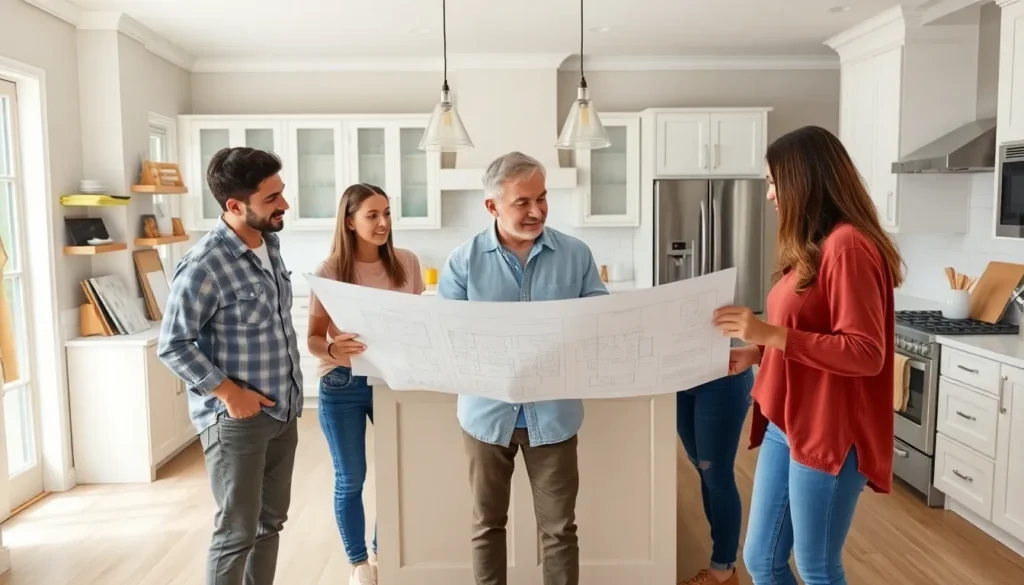
Embarking on home renovations can feel like trying to solve a Rubik’s cube blindfolded—confusing, overwhelming, and likely to end with a colorful mess. But don’t worry! Starting your home transformation journey doesn’t have to be as complicated as assembling furniture with missing instructions.
At Homenumental, we believe every successful renovation begins with proper planning and realistic expectations. Whether you’re dreaming of a kitchen that actually makes cooking enjoyable or a bathroom that doesn’t look like it’s stuck in the 1970s, taking those crucial first steps correctly can save you time, money, and countless headaches down the road.
Understanding Your Home Renovation Goals and Budget
Defining clear objectives and financial parameters forms the backbone of any successful home renovation. By establishing specific goals and a realistic budget from the outset, homeowners create a framework that guides every subsequent decision in the renovation process.
Identifying Priority Areas for Improvement
Home renovation priorities stem from analyzing functionality issues, aesthetic concerns, and potential return on investment. Kitchens and bathrooms typically offer the highest ROI, with updates returning 70-80% of costs when selling. Structural problems like leaky roofs, faulty electrical systems, or foundation issues demand immediate attention to prevent further damage. Homeowners should walk through each room with a notepad, documenting both urgent fixes and desired improvements. Creating a prioritized list helps separate needs from wants—comparing energy-inefficient windows that increase utility bills versus cosmetic updates like new cabinet hardware. Family discussions about daily pain points often reveal overlooked problem areas, such as insufficient storage or poor traffic flow that impacts everyday living.
Setting a Realistic Budget for Your Project
A comprehensive renovation budget accounts for materials, labor, permits, and unexpected complications. Experienced contractors recommend adding a 15-20% contingency fund to cover unforeseen issues like water damage or outdated wiring discovered during demolition. Researching costs for similar projects provides baseline expectations—kitchen renovations average $25,000-$40,000 while bathroom updates typically range from $10,000-$15,000. Breaking down expenses by category helps identify areas where savings are possible, such as choosing mid-grade appliances instead of premium models. Homeowners can stretch budgets by phasing renovations over time, tackling high-priority items first while saving for future improvements. Financing options including home equity loans, personal loans, and credit cards each come with different interest rates and terms that impact overall project costs. Getting multiple contractor bids ensures competitive pricing and reveals the realistic scope achievable within financial constraints.
Essential Planning Steps Before Starting Renovations

Proper planning creates the foundation for successful home renovations. After establishing goals and a budget, homeowners need to focus on creating realistic timelines and determining who will complete the work to avoid costly mistakes and delays.
Creating a Detailed Project Timeline
A comprehensive renovation timeline breaks down the project into manageable phases with specific deadlines. Homeowners should account for each stage including demolition, structural changes, electrical updates, plumbing installation, drywall, flooring, painting, and fixture installation. Unexpected delays frequently occur with permit approvals, material backorders, and contractor scheduling conflicts. Most kitchen renovations take 6-12 weeks, while bathroom renovations typically require 3-6 weeks to complete. Building in buffer periods between major project phases helps accommodate these inevitable setbacks. Tracking progress against the timeline using project management tools or spreadsheets enables homeowners to identify potential bottlenecks early. Coordinating with contractors to establish realistic completion dates for each phase prevents cascading delays that can extend project duration and increase costs.
Deciding Between DIY and Professional Help
The DIY versus professional help decision depends on project complexity, skill level, available time, and budget constraints. Painting, simple cabinet hardware replacement, and basic landscaping typically fall within DIY territory for most homeowners. Electrical work, structural changes, plumbing modifications, and gas line alterations require licensed professionals for safety and code compliance. Homeowners save 20-30% on labor costs with DIY projects but spend approximately 40% more time completing them. Hybrid approaches work well for many renovations, with homeowners handling cosmetic elements while professionals manage technical aspects. Licensed contractors provide warranties for their work, access to trade discounts on materials, and navigate permit requirements efficiently. Accurately assessing personal capabilities prevents costly mistakes that professionals ultimately must fix, potentially exceeding initial budget savings from DIY attempts.
Obtaining Necessary Permits and Approvals
Securing proper permits and approvals is a critical step in any home renovation project. Failure to obtain required documentation can result in costly fines, work stoppages, or even forced removal of completed renovations—potentially erasing thousands of dollars of investment in an instant.
Navigating Local Building Codes and Regulations
Building codes vary significantly across municipalities, with each jurisdiction maintaining specific requirements for residential renovations. Most localities require permits for structural changes, electrical work, plumbing alterations, and additions to living space. Homeowners must contact their local building department early in the planning process to determine exactly which permits apply to their project. Many building departments now offer online resources where applicants can download application forms, review fee schedules, and schedule inspections. Permit fees typically range from $50 for minor projects to several thousand dollars for major renovations, calculated based on project scope and estimated construction value. Licensed contractors often handle permit acquisition as part of their services, but homeowners remain ultimately responsible for ensuring compliance with all regulations before construction begins.
Working with Your Homeowners Association
Homeowners Associations (HOAs) create an additional layer of approval requirements for many residential properties. HOA guidelines typically govern exterior modifications including paint colors, window styles, roofing materials, landscaping changes, and structural additions. The approval process starts with submitting detailed plans to the HOA board or architectural review committee, complete with specifications, drawings, color samples, and timelines. Review periods range from 14-45 days depending on the association’s rules. HOAs can deny projects that don’t align with community aesthetic standards, even when local building permits have been secured. Smart homeowners request and review all HOA guidelines before finalizing renovation plans, obtain written approval before commencing work, and maintain open communication with HOA representatives throughout the project to avoid costly revisions or potential legal disputes.
Selecting the Right Contractors and Suppliers
Finding qualified contractors and reliable suppliers forms the backbone of a successful home renovation project. The professionals you choose determine not only the quality of work but also whether your project stays on schedule and within budget. Homenumental’s approach emphasizes thorough vetting and strategic material sourcing to maximize renovation value.
Vetting Professionals with the Homenumental Approach
The Homenumental approach to contractor selection starts with gathering multiple detailed bids from at least three professionals. Comprehensive bids include itemized costs, timeline projections, and material specifications. Verify credentials by checking licenses, insurance coverage, and certifications relevant to your specific project type. Past work speaks volumes, so examine portfolios, request references from recent clients, and visit completed projects when possible. Communication style matters significantly – contractors who respond promptly and explain concepts clearly typically maintain this responsiveness throughout the project. Online reviews offer additional insights, though they’re most valuable when examining patterns rather than isolated comments. Personal chemistry shouldn’t be overlooked since you’ll collaborate closely during the renovation period. Trust your instincts after meeting potential contractors face-to-face and assessing how they address your questions and concerns.
Sourcing Quality Materials Within Budget
Material selection creates the balance between quality, aesthetics, and cost management in renovation projects. Research different price tiers for essential items like flooring, fixtures, and appliances to identify where splurging delivers value and where savings won’t compromise results. Big-box stores offer competitive pricing on standard items, while local suppliers often provide unique options and personalized recommendations. Timing purchases around seasonal sales, holiday promotions, and end-of-year clearances can yield substantial savings on major components. Floor models and slightly imperfect items (with cosmetic rather than functional flaws) typically come with significant discounts. Contractor relationships with suppliers frequently translate to trade discounts unavailable to the general public. Salvage yards, architectural salvage shops, and online marketplaces present opportunities for finding distinctive, high-quality materials at fraction of retail costs. Prioritize durability for heavily used elements like flooring and countertops where premature replacement would eliminate any initial savings.
Preparing Your Home for Construction
Home construction preparation is a critical phase that determines how smoothly your renovation progresses. Proper preparation minimizes disruption, protects your property, and creates a safer environment for both residents and workers. Taking time to prepare your living space and protect your belongings before construction begins pays dividends throughout the renovation process.
Creating a Livable Space During Renovations
Creating a functional temporary living arrangement transforms the renovation experience from chaotic to manageable. Designate specific renovation-free zones in your home where daily activities can continue uninterrupted. Set up a makeshift kitchen with essential appliances like a microwave, coffee maker, and mini-fridge if your main kitchen undergoes renovation. Establish clear pathways through your home that remain free of construction materials and debris to maintain safe movement.
Dust containment systems using plastic sheeting and zipper doors separate construction areas from living spaces, dramatically reducing airborne particles. Consider temporary relocation for particularly disruptive phases such as bathroom renovations or major structural work. Communicate with everyone in the household about changing routines and access points to minimize frustration and maximize safety during the construction period.
Protecting Valuables and Existing Structures
Safeguarding your possessions starts with comprehensive inventory documentation before construction begins. Photograph valuable items and existing conditions throughout your home to establish a pre-renovation record. Remove artwork, electronics, and fragile items from construction zones and adjacent rooms where vibrations might cause damage. Cover immovable furniture with protective plastic sheeting or moving blankets secured with painter’s tape.
Flooring protection requires particular attention—install ram board or similar heavy-duty floor coverings on pathways workers use frequently. Seal off HVAC vents in construction areas with plastic and tape to prevent dust circulation throughout your home. Install corner guards on exposed wall edges and doorway protectors in high-traffic areas to prevent accidental damage. Clearly communicate to contractors which areas remain strictly off-limits and which household systems (plumbing, electrical) require special care during the renovation process.
Managing the Renovation Process Effectively
Effective renovation management transforms chaotic construction into a streamlined project. Once planning is complete and work begins, homeowners must actively manage the process to keep the project on track, on budget, and aligned with their vision.
Tracking Progress and Handling Setbacks
Daily monitoring ensures renovation projects stay on schedule and within budget parameters. Homeowners should maintain a dedicated project journal documenting completed work, materials delivered, and any issues that arise. Digital tools like renovation management apps provide real-time progress tracking with features for photo documentation, expense logging, and timeline visualization.
Setbacks inevitably occur—material delays, unexpected structural issues, or contractor scheduling conflicts require quick adaptation. When problems emerge, homeowners must assess the impact on timeline and budget before making informed decisions. Creating a decision tree for common renovation challenges (e.g., backordered materials, discovered water damage) helps establish predetermined solutions. A healthy contingency fund—typically 15-20% of the total budget—provides financial flexibility for addressing unforeseen complications without derailing the entire project.
Communicating with Your Renovation Team
Clear communication forms the foundation of successful renovation projects. Establishing preferred communication channels (text, email, phone calls) with contractors and suppliers eliminates confusion and creates accountability. Regular check-ins through scheduled weekly meetings provide opportunities to discuss progress, address concerns, and make necessary adjustments.
Documentation protects all parties involved in renovation projects. Every conversation about scope changes, material selections, or timeline adjustments should be recorded in writing. Shared digital platforms like Google Docs or project management software create accessible information repositories for the entire team. When issues arise, addressing them immediately prevents small misunderstandings from escalating into major problems. Active listening plays a crucial role—contractors often provide valuable insights about challenges and potential solutions based on their experience with similar projects.
Adding Value Through Strategic Upgrades
Strategic home upgrades transform ordinary spaces into valuable assets, increasing both functionality and property value. Smart renovation decisions focus on improvements that deliver the highest return on investment while enhancing daily living experience.
Focus Areas with the Highest ROI
Kitchens consistently deliver exceptional returns, with minor remodels recouping up to 72% of costs at resale. Modern appliances, updated countertops, and refreshed cabinetry create immediate appeal without complete reconstruction. Bathroom renovations follow closely, offering 60-67% ROI, particularly when incorporating universal design elements like walk-in showers that appeal to aging populations.
Exterior improvements make powerful first impressions, with garage door replacements returning nearly 94% of investment costs. Adding stone veneer to exterior façades generates approximately 92% ROI while creating distinctive curb appeal. Wooden deck additions combine outdoor living space with 66% return rates, especially in regions with favorable climates.
Basement and attic conversions transform underutilized space into functional square footage, adding bedrooms or home offices that increase property valuation substantially compared to building additions from scratch.
Sustainable and Energy-Efficient Improvements
Energy-efficient upgrades deliver dual benefits: immediate utility savings and increased property marketability. Smart thermostats reduce heating and cooling costs by 10-15% annually while appealing to environmentally conscious buyers. High-efficiency windows eliminate drafts and cut energy bills by $126-$465 yearly, according to Energy Star data.
Insulation improvements in attics and crawl spaces offer remarkable returns, with homeowners saving $200-$400 annually on energy costs for minimal investment. Solar panel installations leverage federal tax credits covering 30% of installation costs through 2032, while creating energy independence that appeals to forward-thinking buyers.
Water conservation features like low-flow fixtures reduce consumption by 30-50% compared to traditional models. Drought-resistant landscaping cuts outdoor water usage by 50-75% while minimizing maintenance requirements. Energy-efficient appliances bearing Energy Star certification use 10-50% less energy than standard models, creating immediate operational savings alongside enhanced marketability during resale.
Conclusion
Starting home renovations doesn’t need to feel like navigating a maze without a map. By establishing clear goals prioritizing projects and creating realistic budgets homeowners set themselves up for success from day one. Proper planning including timeline development permit acquisition and contractor selection forms the backbone of any successful renovation project.
The effort invested in preparation pays dividends throughout the renovation journey. From protecting your home during construction to effectively managing the process and communicating with your team these steps ensure smoother execution with fewer surprises.
Remember that strategic renovations aren’t just about creating your dream space but also about making smart investments that enhance both livability and property value. With the right approach your renovation journey can transform your house into the personalized haven you’ve always wanted.

![cbt therapy, cbt therapy near me, stress anxiety treatment, cognitive behavioral therapy, local cbt clinics, anxiety relief options, stress management therapy, cbt therapists in [location], mental health therapy, therapy for stress and anxiety](https://pagerehabhc.com/wp-content/uploads/2026/05/airtable_6a03870aadea6-1-1024x576.jpg)
