
Today’s concept of stress relief is evolving. While many used to think that high-intensity workouts and crash diets were the key to healthy living, nowadays people are more focused on calming, sustainable practices focused on mental clarity and nervous system regulation.
Learn about how modern stress relief prioritizes intentional movement, personalized nutrition, and realistic lifestyle upgrades in addition to how to work them into your busy life.
Why Traditional Stress Relief Isn’t Working Anymore
Hustle culture and “grind” workouts often backfire. This lifestyle can actually cause more stress, hormonal imbalances, and fatigue. If you’ve been following these traditional forms of “stress relief,” you might wonder why you always feel tired or overwhelmed. But luckily, there is a better option out there.
Combining gentle movement and nutrient-rich eating is a more sustainable way to regulate your mood, reduce your cortisol levels, and support your long-term mental health. Among rising rates of anxiety, burnout, and poor sleep, a calmer approach to stress relief can help you combat these issues and feel truly at peace.
Move to Feel Better
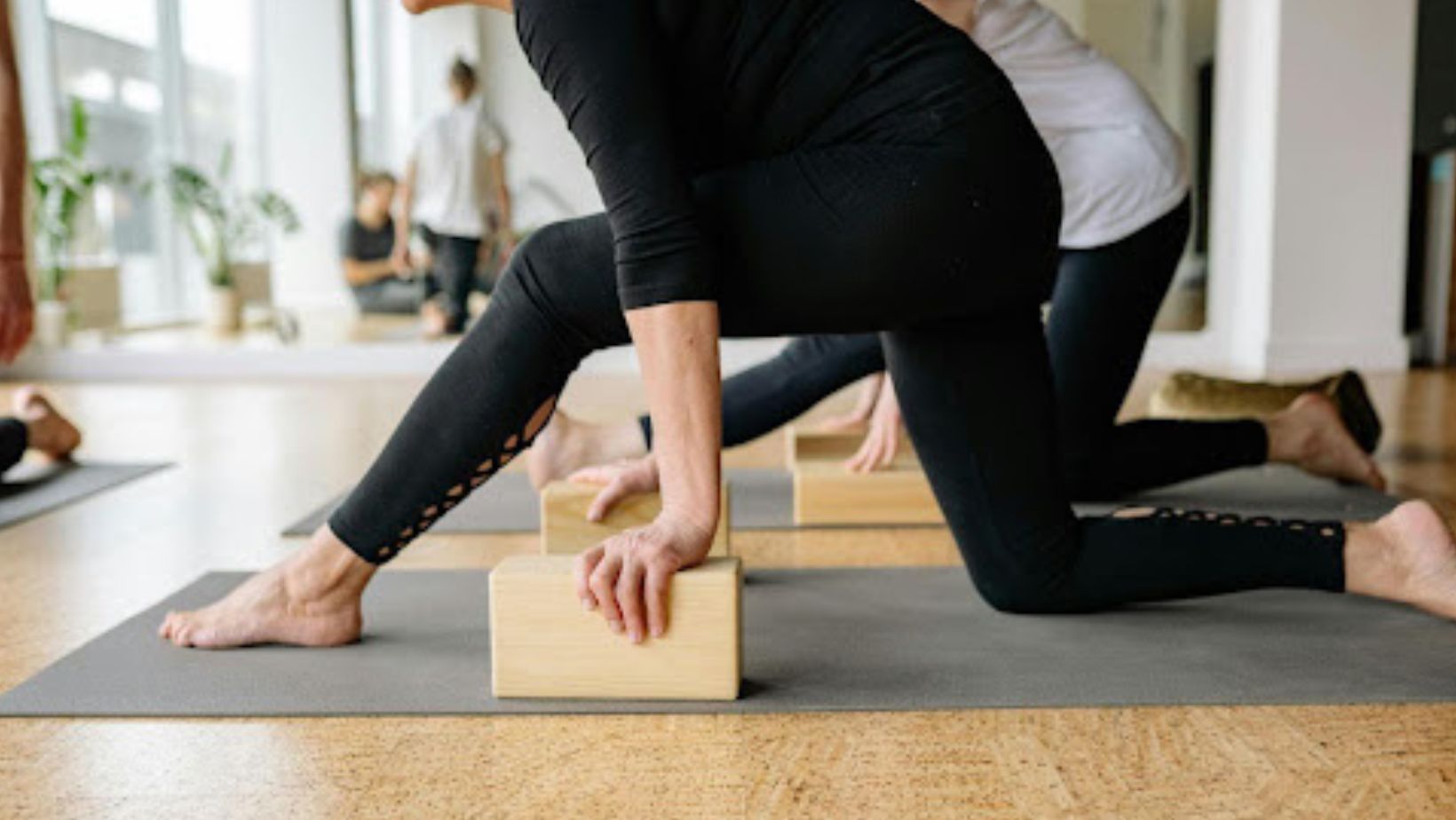
High-intensity exercise has its place, but only gentle training supports nervous system regulation, better sleep, and increased dopamine and serotonin levels. Learn how to incorporate gentle movement into your routine to decrease your stress levels.
Low-Impact Routines That Reset the Mind
You don’t have to stick to high-impact exercises to keep your body and mind fit. Consider incorporating simple, restorative practices like walking, swimming, or running, to your exercise routine. These exercises can decrease your stress levels and help your brain reset so you can approach your day from a more positive mindset.
You can also introduce indoor practices that encourage mindfulness through repetitive, focused practice. Some examples include stretching, yoga, tai chi, and putting practice. “The key is consistency—practicing a little bit every day rather than marathon sessions once a week,” explains Brendon Elliot, Golf Writer at PrimePutt.
Food Is Fuel—and a Mood Regulator

What you eat can affect your mood. The brain-gut connection is powerful, and your nutrition can influence your stress response, hormone balance, sleep quality, and even speed up muscle recovery. Discover how to nourish both your body and mind through healthy eating
Greens and Micronutrients to Rebuild Your Nervous System
For generations, we have been told we must eat our greens—but it’s not always that simple. If you’re struggling to get enough fruit and vegetables in your diet, consider adding a greens powder to your day. Supergreens powders mix with water or other liquids and support energy, digestion, and mood stability.
“A healthy, balanced diet is the best way to get the nutrition you need, but sometimes a supplement or green powders can be beneficial if you want to combat vitamin deficiency and support your overall health,” explains Lena Bakovic, RDN, CNSC.
Brain-Friendly Meals Made Easy
Some foods can make you feel lethargic and sluggish, while others can make you feel sharp and focused. Learning about brain-friendly foods helps you work them into your weekly menu. Meal planning can help you stay on track; it doesn’t have to take up hours of your week. Check out some recipe sites, like VNutrition, that can help you plan your meals and stick to brain-friendly meals
“There are numerous scientific studies that indicate vegetable-based diets are a boon to your health,” says Mary Ellen Valverde, MS, CNS, LDN at Vnutrition. “From improving heart health to increasing weight loss and stabilizing blood sugar, plant-based eating can help you improve a multitude of factors concerning your health. Think of all of the wonderful things you can and should eat – fruits, vegetables, nuts, legumes, grains, and seeds!”
When You Need Guidance: Personalized Support That Works
Switching up your nutrition takes time and effort, and you may need extra support to get you on the right track. Undergoing a nutritional assessment and receiving professional guidance can be beneficial to this process.
“Deciding to get healthy can be one of the most important steps you take in your life, and it will look different for everyone,” explains Nicolette Star Maggiolo, RD, LDN at Top Nutrition Coaching. “For some, getting healthy might mean learning to manage stress, lowering risk factors for heart disease, or losing weight. In addition, many different kinds of health professionals can help their clients reach their health goals. For example, a dietitian may help their clients by observing and diagnosing symptoms, while a health coach might share tips and tricks on getting more movement in on an average day.”
Personalized support might seem like a splurge, but it can help you be more successful in the long run.
Creating a Calming Daily Routine

If your day is full of stressful moments, you’ll find yourself burnt out quickly. Establishing micro-habits, like hydrating, prepping meals, or evening walks, can reduce stress long-term. Let’s explore how to incorporate these habits into your day.
The Power of Ritual
Routines and rituals help make your life more predictable—and predictability and repetition can reduce anxiety. Build a personalized rhythm based on what your body and mind need—that might include putting practice, daily smoothies, after-dinner walks, or lunchtime meditation. These simple self-care habits can help you build a routine that helps calm your mind.
Tech Boundaries and Mental Noise
In today’s world, it often seems like our lives revolve around our smartphones and tablets. It’s all too easy to sink hours into scrolling through newsfeeds without realizing it. To reduce your screen time and the associated stress, consider the following tips:
- Put down your phone and go for an unplugged walk
- Turn off your notifications
- Trade 15 minutes of doomscrolling for 10 minutes on the putting mat
- Set screen time limits on your device and stick to them, no matter what
- Set specific times to check your phone so you can stay connected without feeling overwhelmed
- Put your phone away at mealtimes
- Schedule daily exercise with no phone to help reset your mind
- Try a new exercise or hobby (like cooking, crafting, or meditation) to work your brain rather than staring at a screen
Final Thoughts: Gentle Is Powerful
Sustainable stress relief doesn’t require drastic change—it starts with consistency and self-support. By making a few small changes, you can create a gentle, positive routine that can decrease your stress levels and improve your health. And remember: the best routines are the ones that meet you where you are.