

Tremors are often the first thought that comes to mind when most people think about Parkinson’s disease, which is often a tremor — a shaking hand, a shuffling foot. But Parkinson’s is more than a movement disease. There is a web of non-motor symptoms that can be just as obstructive, and in some cases more obstructive, than the involuntary tremors we usually think about.
From cognitive changes to sleep disturbances, mood changes, and gastrointestinal issues, these symptoms can significantly impact your daily life, relationships, and emotional well-being. Because non-motor symptoms cannot be seen externally, they are often underreported, underdetected, and undertreated.
What Are Non-Motor Symptoms?
Non-motor symptoms encompass the physical, emotional, and cognitive aspects of Parkinson’s, which do not involve movement. These include:
- Cognitive problems (difficulty with memory, attention, or executive function)
- Depression or anxiety
- Sleep problems (sleep disturbance, insomnia, REM sleep behavior disorder)
- Apathy or lack of motivation
- Constipation and other digestive issues
- Anosmia (loss of smell)
- Fatigue and pain
Many of these symptoms can occur years before motor symptoms and may be precursory signals. While tremors would likely prompt someone to seek help from a physician, non-motor symptoms often go unseen or misdiagnosed as unrelated conditions.
The Emotional and Social Impact
The often unseen effects of non-motor symptoms on one’s self-esteem, autonomy, and quality of life are one of the most disturbing facets of these symptoms. One day, someone with Parkinson’s might look okay and appear to be functioning just fine on the surface, but might be struggling internally with exhaustion, cognitive impairment, or depression.
More than 50% of individuals with Parkinson’s will experience depression or anxiety, while at least that many will face other negative non-motor symptoms; however, we frequently ignore these symptoms because we evaluate someone’s “I’m fine” narrative against their more observable deficits such as tremors or the rigidity of their muscles. Depression and anxiety can affect relationships, diminish the motivation to participate in rehab, and reduce life satisfaction if not consistently treated.
In addition to depression and anxiety, sleep disturbances can also be socially isolating. If you are unable to sleep, your daytime exhaustion can cause difficulty staying awake, concentrating, and controlling your emotional responses in various environments. This could add a significant strain to your social skills and ability to perform daily tasks.
Early Indicators and the Importance of Awareness
Timely recognition is the most crucial aspect of managing non-motor symptoms. Sadly, many persons — and sometimes health care providers — do not recognize mood swings, smell loss, or digestive issues as symptoms fitting the diagnosis of Parkinson’s.
This highlights the importance of routine screening and open communication with one’s physician. Use of a brief questionnaire and a more in-depth interview can help identify and recognize some of the non-motor symptoms one may experience before they become dangerous. Caregivers are also integral in recognizing change in behavioral, sleep, and emotional health.
A Holistic Approach to Treatment
Unlike motor symptoms, which can often be improved with medications such as levodopa, non-motor symptoms may require a multidisciplinary approach. That could include:
- Psychological counseling or therapy
- Sleep therapy or sleep hygiene practices
- Nutrition plan
- Cognitive exercises
- Social support groups
- Physical activity, which has advantages for both mental and physical wellness
The goal isn’t just to manage their symptoms — it’s to support the whole person, helping them flourish rather than just survive.
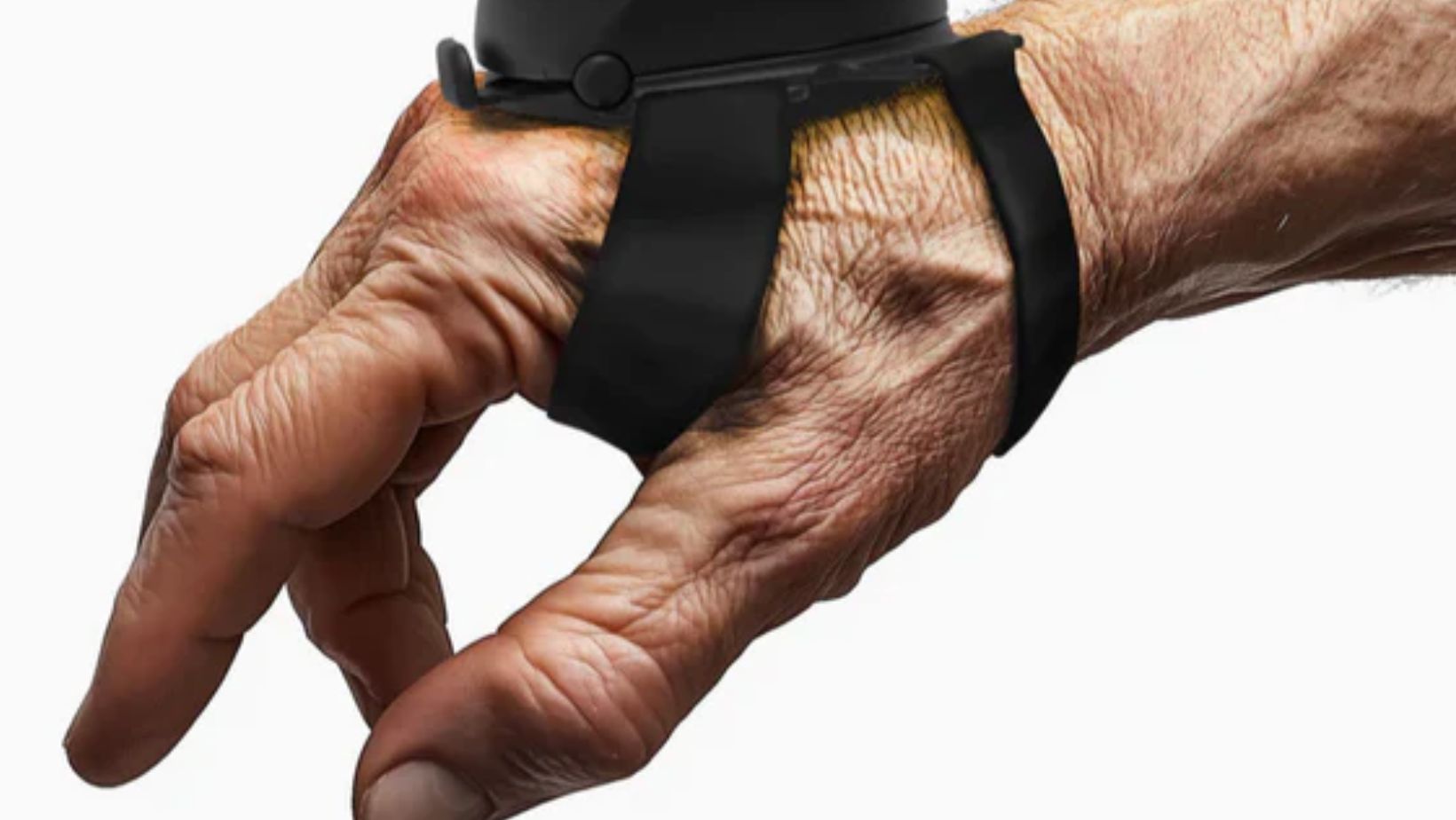
How Steadiwear Supports Quality of Life Beyond Tremors
Steadiwear is the maker of the innovative Steadi-3 Tremor Glove and is known for addressing the visible impairments of Parkinson’s — namely, hand tremors. However, the glove’s ability to assist the user extends well beyond stabilizing physical tremors.
Often, when we think about the non-motor symptoms of Parkinson’s (depression, anxiety), the loss of fine motor control can take a toll that can be private, leading to feelings of helplessness or isolation. Our glove offers individuals a unique product that empowers them. By allowing users to eat, write, or perform everyday activities, the glove can indirectly address some emotional needs, foster autonomy, and help decrease reliance on caregivers, which is a significant benefit to levels of self-esteem and mental health.
In today’s world of effective Parkinson’s care, the effective management of the disease requires us to consider the whole picture, and our glove seamlessly integrates into this larger management framework of adaptive technologies. As part of an occupational based activity, lifestyle change or mental health strategy (the glove is simply a glove that does not require batteries, recharging or invasive procedures), it provides users more opportunities to take part and take precedence in their daily functions and decisions and therefore rest, socialize, and recover properly from the after effects of the disease.
Conclusion: See the Whole Person, Not Just the Shakes
Doing a lot more than just tremors and slow movement, Parkinson’s disease involves the loss of sleep, loss of motivation, loss of memory, and loss of oneself. That’s why it’s essential to examine and address the non-motor symptoms and their impact on not only patients but also their families, clinicians, and society.
Through awareness, early diagnosis, and the use of tools like the Tremor Glove as part of a holistic care approach, we can help people with Parkinson’s not just endure their condition, but live meaningfully, with dignity, purpose, and community.
Whether you or a loved one is living with the complexities of Parkinson’s, don’t ignore the silent symptoms. Start the conversation. Get support. Find tools that help you reclaim every part of your life, body, mind, etc.
![cbt therapy, cbt therapy near me, stress anxiety treatment, cognitive behavioral therapy, local cbt clinics, anxiety relief options, stress management therapy, cbt therapists in [location], mental health therapy, therapy for stress and anxiety](https://pagerehabhc.com/wp-content/uploads/2026/05/airtable_6a03870aadea6-1-1024x576.jpg)