
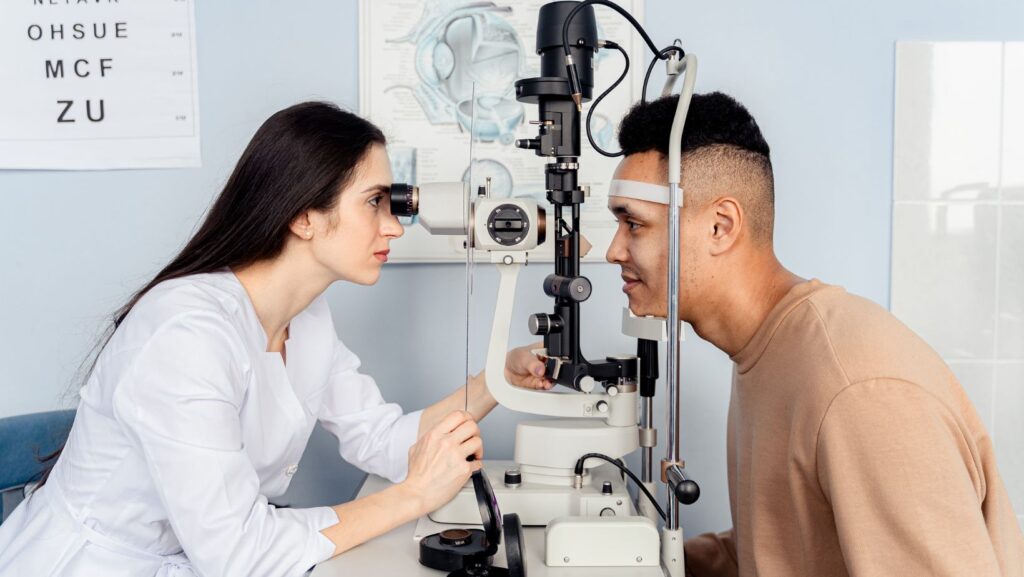
If you want to truly understand how someone feels or what they might be thinking, start by noticing their eyes. Watching for subtle changes in eye position can reveal a person’s emotions, attention, and sometimes even their intentions. These tiny shifts might show someone is uncomfortable, interested, or distracted, offering quick clues that words alone can’t provide.
For example, if someone suddenly looks away or their pupils change size, it can mean they are thinking hard or feeling uncomfortable. Recognizing these signals can make conversations smoother and help prevent misunderstandings. Sometimes, differences in the eyes may even reflect health concerns, so it is helpful for someone to check bulging eyes symptoms if they notice anything unusual.
Learning to pay attention to these small details makes a big difference in reading situations, whether at work, with friends, or in new social settings. Those who notice eye movements often feel more connected and aware during any interaction.
Recognizing the Significance of Eye Position Changes
Small shifts in how the eyes move or rest can tell a lot about what is happening inside the body. These changes might signal health issues, give hints about brain function, and also affect how people see and interact with the world around them.
Indicators of Underlying Health Issues
Changes in eye position often signal more than just tiredness. For example, a drooping eyelid or eyes that turn inward or outward unexpectedly can be early signs of muscle or nerve problems. These conditions, such as ptosis or strabismus, may go unnoticed if people are not paying close attention.

Frequent double vision, sudden drifting of one eye, or eyes that seem to shake can suggest underlying issues that need medical review. Sudden vision problems, especially if they come with headaches or pain, might point to conditions like high blood pressure or diabetes. Regular observation of how the eyes move and rest can help people catch these warning signs early and seek help when it matters.
Links to Neurological Conditions
Subtle shifts in eye position sometimes relate to how the brain and nerves work together. If a person starts to notice crossing eyes, trouble tracking objects, or an eye turning in an unusual direction, this could be linked to neurological concerns. For instance, problems with the nerves controlling the muscles around the eyes can lead to noticeable shifts in where the eyes sit or move.
Medical research has shown that conditions such as multiple sclerosis, stroke, or even some infections can cause the muscles and nerves that manage eye movement to weaken or stop working correctly. Watching out for eye drifting, twitching, or loss of movement helps people and healthcare providers find neurological problems sooner.
Impacts on Vision and Eye Alignment
When eye position changes, it can affect more than just appearance—vision itself can suffer. Misaligned eyes might lead to blurry or double vision, especially if one eye does not move in sync with the other. Strabismus and nystagmus are examples of these alignment problems that can cause the eyes to shift in unusual ways.
Children are especially sensitive to these changes. Left untreated, ongoing misalignment may affect how each eye develops, leading to depth perception problems or lazy eye. Adults might notice difficulty focusing, frequent headaches, or trouble with reading and driving. Spotting these shifts early assists with getting the right treatments to support clear and comfortable vision.
Responding Effectively to Subtle Eye Changes
Subtle changes in a person’s eye position can reveal much about their health and emotions. Noticing these changes could allow someone to address possible issues before they get worse and help communicate more clearly with others.
When to Seek Professional Assessment
If someone notices that their eyes suddenly move differently, become misaligned, or if they see double vision, this can signal a problem. Other warning signs include drooping eyelids, rapid eye movements, trouble focusing, or significant discomfort.
Physical trauma to the eye or changes such as ongoing pain or loss of vision need quick professional attention. Ignoring these issues might lead to delays in needed treatment.
Anyone who experiences rapid changes or ongoing problems with their eyes should see a healthcare provider. Acting quickly can help identify conditions that often go unnoticed until symptoms get more severe.
Preventative Steps and Early Intervention
There are several things people can do to protect and watch for changes in their eye health. Regular eye exams allow for early detection of vision changes and underlying health conditions. Following a balanced diet rich in leafy greens, fish, and fruits can support eye function.

When using screens for a long time, following the 20-20-20 rule—looking away every 20 minutes at something 20 feet away for 20 seconds—may help reduce eye strain. Wearing sunglasses in bright sunlight protects the delicate tissues around the eyes.
Promptly addressing eye discomfort, itchiness, or changes in vision may stop minor symptoms from getting worse. Keeping track of any changes using a journal can also help a provider in diagnosing or tracking progress over time.
Long-Term Outcomes of Timely Attention
Responding quickly to changes in eye position or movement usually leads to better outcomes. Early detection of eye disorders or certain health problems can mean simpler and more effective treatments.
If people pay attention and seek help early, they reduce their risk of lasting changes in vision or eye health. Early action can also lessen the chances of complications like headaches, fatigue, or reduced ability to focus, both at school and work.
People who are mindful about eye changes often feel more confident about their overall health. They are more likely to notice small issues and respond to them before they grow, setting up a pattern that supports lasting eye wellness.
Conclusion
Noticing small shifts in eye position can provide useful clues about attention, mood, or memory. Subtle eye movements may signal when someone is focused, distracted, or even experiencing changes in how they feel.
Key takeaways include:
- Eye position often reflects a person’s mental state
- Quick recognition of these changes can improve communication
- Regular awareness of eye movement strengthens understanding in daily life
Paying attention to the eyes helps people pick up on unspoken signals. This can make interactions clearer and more successful.

![cbt therapy, cbt therapy near me, stress anxiety treatment, cognitive behavioral therapy, local cbt clinics, anxiety relief options, stress management therapy, cbt therapists in [location], mental health therapy, therapy for stress and anxiety](https://pagerehabhc.com/wp-content/uploads/2026/05/airtable_6a03870aadea6-1-1024x576.jpg)
